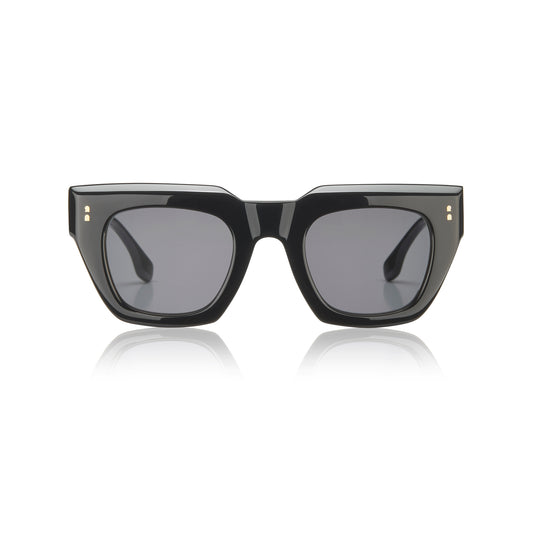
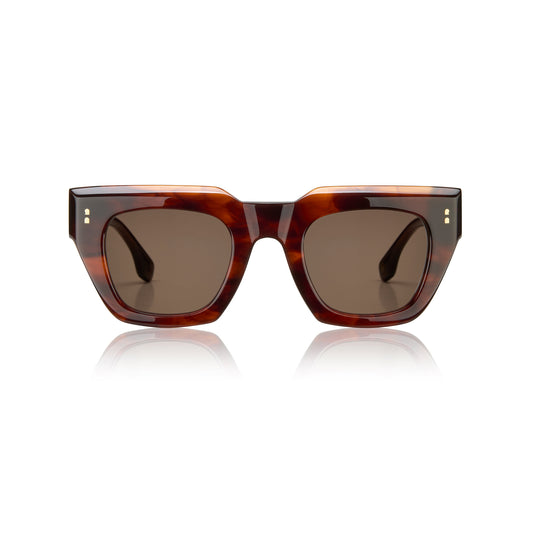
Gafas de sol por la noche: la lección de Studio 54
Compartir
Hay un silencio específico que cae sobre la terraza de un bar nórdico cuando alguien llega con gafas de sol a las once de la noche. Nadie dice nada, porque nadie dice nada, pero todas las personas presentes realizan un cálculo colectivo en silencio: ¿ha ocurrido algún evento meteorológico que no haya notado? No lo ha habido. El sol se puso hace horas, o —dependiendo del mes— está haciendo esa cosa irritante del norte de mantenerse justo por debajo del horizonte, como un invitado que no termina de decidirse a irse. La única luz en el lugar proviene de una cadena de bombillas que el dueño colgó en 2014 y que ha querido reemplazar desde entonces. Y aun así, ahí está la persona, con cristales oscuros, sosteniendo una bebida y una conversación con una compostura que todos encuentran ligeramente molesta y que en secreto envidian.
Seamos claros desde el principio: llevar gafas de sol por la noche es objetivamente absurdo. También lo es chocar las copas, usar perfume, atarse una bufanda al cuello o llamar a alguien para decirle cosas que perfectamente podrías haber escrito. Casi todo lo que hacen los humanos por encima del umbral de la supervivencia es absurdo, y esa es la parte buena. La pregunta interesante no es si tiene sentido óptico. Es por qué hemos pasado medio siglo repitiendo el mismo gesto sin ponernos nunca de acuerdo sobre lo que significa.
Un edificio en Nueva York donde nadie quería que leyeran su rostro
Para entenderlo, hay que volver a abril de 1977 y al número 254 de la calle 54 Oeste, en Nueva York. Un antiguo teatro convertido en discoteca por Steve Rubell e Ian Schrager, decorado con un hombre en la luna suspendido del techo, una cola en el exterior que funcionaba como un examen de ingreso y una política de admisión que Rubell describía, sin un ápice de vergüenza, como una ensalada mixta: lo importante era la mezcla. Un chico arruinado de Brooklyn, una condesa, un camarero, Liza Minnelli, alguien con plumas y alguien vestido como un contable. Bianca Jagger llegó montada en un caballo blanco a su fiesta de cumpleaños, lo que dice casi todo sobre el compromiso del establecimiento con la contención.
Y dentro, bajo una bola de espejos a las tres de la mañana, la mitad de la sala llevaba gafas de sol. Andy Warhol —quien había hecho del cristal oscuro parte de su rostro mucho antes—, Grace Jones, Divine, Halston y una gran cantidad de personas cuyos nombres nunca llegaron a nosotros, pero cuyas fotografías sí. En la habitación más oscura de la ciudad, las personas más fotografiadas del planeta se ponían un filtro frente a los ojos. No para ver menos. Sino para que la sala pudiera mirar todo lo que quisiera y no encontrara nada.
La lente como puerta, no como cortina
Aquí está el giro que permite que esta historia sobreviva a la moda que la produjo. Tendemos a pensar en las gafas de sol nocturnas como una cortina: algo que te pones para esconderte detrás. En Studio 54 funcionaban al revés. Eran una puerta. El cristal oscuro era lo que permitía a una persona tímida entrar en una habitación llena de gente insoportablemente segura de sí misma y comportarse, durante unas horas, como si fuera una de ellos. No ocultaban a la persona. Le prestaban una versión de sí mismos que eran demasiado educados para mostrar a plena luz del día.
Que es precisamente lo que han hecho las máscaras desde que existen, y las máscaras son anteriores a la escritura. El carnaval, las máscaras venecianas, el disfraz que llevabas a los siete años que te hacía inexplicablemente valiente. Cada cultura ha descubierto de forma independiente, sin consultar a las demás, que los seres humanos necesitan cubrir parte del rostro para mostrar el resto. Studio 54 no inventó nada. Simplemente encontró la máscara mejor diseñada de la historia y la puso bajo una bola de espejos.
Por qué el norte lo lee como grosería y el sur como higiene
Hay una geografía en esto que me resulta discretamente divertida. En el norte de Europa, la vida social sucede mayormente en interiores y por acuerdo, y las gafas de sol por la noche se interpretan como un exceso; una pequeña violación del contrato no escrito, una pretensión de ser más interesante que la sala. Los escandinavos tienen toda una tradición popular sobre no parecer que te crees algo especial, y un cristal oscuro es una forma bastante ruidosa de romperla.
En el Mediterráneo, la aritmética funciona de forma diferente. La vida ocurre en la calle, a la vista de los vecinos, los camareros y una mujer que ha estado en el mismo balcón durante cuarenta años. Te observa el consenso, constantemente, y nadie considera que esto sea un problema. En una cultura donde todos pueden verlo todo, un pequeño acto de opacidad no es arrogancia; es higiene mental. Es la misma negociación, hecha explícita: puedes tener la conversación, la risa, la ronda de bebidas y la anécdota. Yo me quedo con los ojos.
El norte se esconde quedándose en casa. El sur se esconde a plena vista, en una mesa, con una bebida, detrás de dos cristales tintados. Ambas son versiones del mismo instinto tan razonable, y yo diría que solo uno de ellos te permite salir de casa.
Nadie derogó la regla porque nunca existió
Studio 54 no duró; cerró en 1980, y el porqué es otra historia, pero el gesto permaneció. Sigue aquí, en la terraza de las once, en el festival, en el aeropuerto a las siete de la mañana, en la persona que sale del cine con las gafas ya puestas porque aún no está lista para aterrizar. Cada generación decide que es cursi y cada generación vuelve a hacerlo, porque debajo de la pose hay algo que no es una pose en absoluto: la vieja y totalmente defendible sospecha de que no estás obligado a estar totalmente disponible, todo el tiempo, para todo el mundo.
Así que la próxima vez que veas a alguien con gafas de sol después del anochecer, antes del veredicto automático, considera la posibilidad de que no esté posando. Quizás solo esté abriendo una puerta muy pequeña para poder entrar en la fiesta.
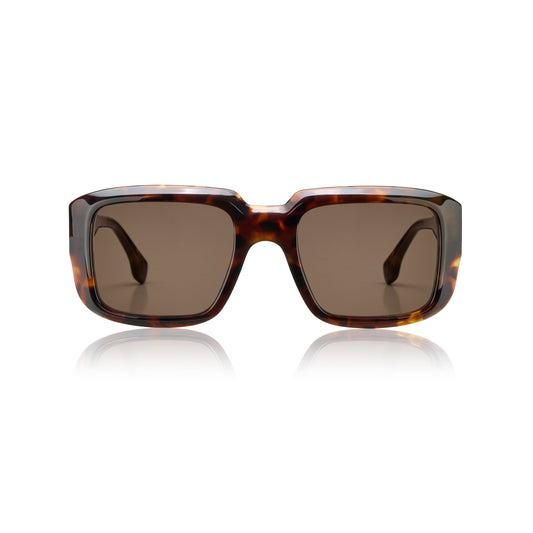
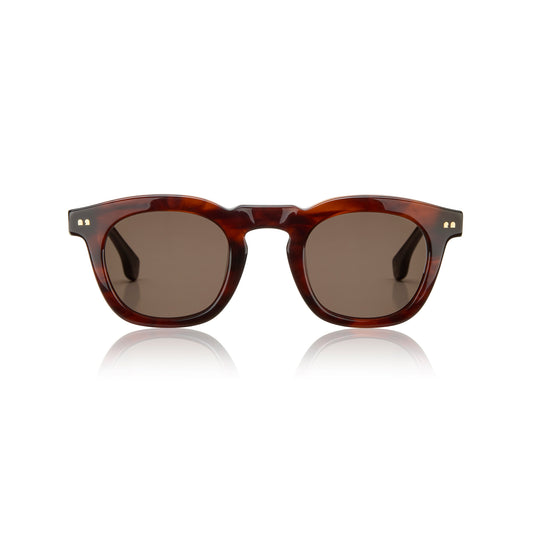
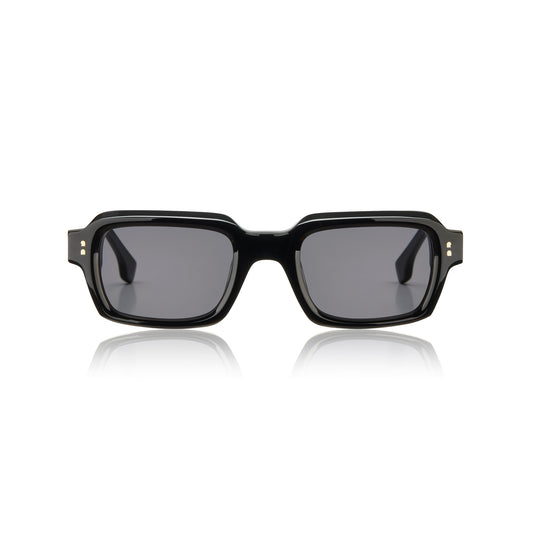
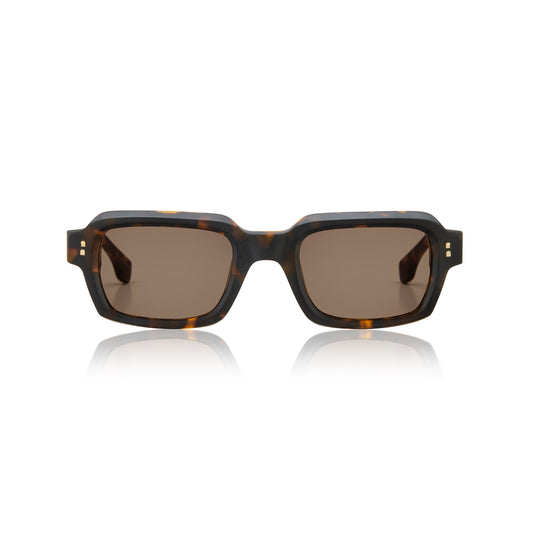
RAVAL diseña gafas en Barcelona, en un barrio donde la vida siempre ha ocurrido en la calle, y donde un siglo de práctica nos ha enseñado que un poco de opacidad es una forma de buenos modales.