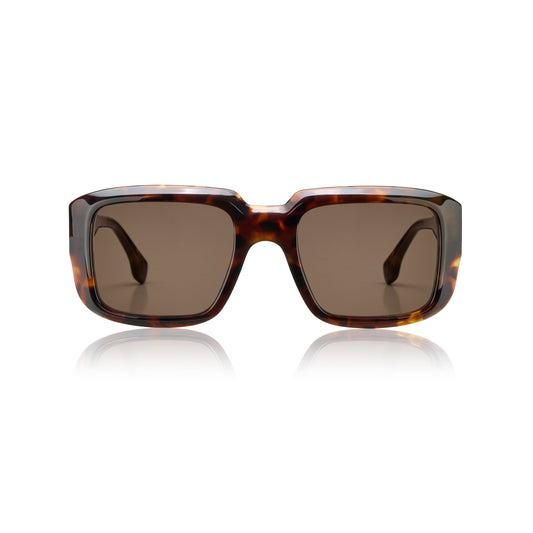
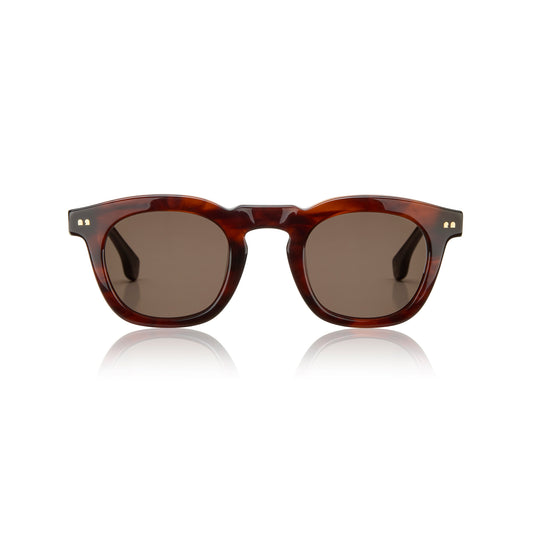
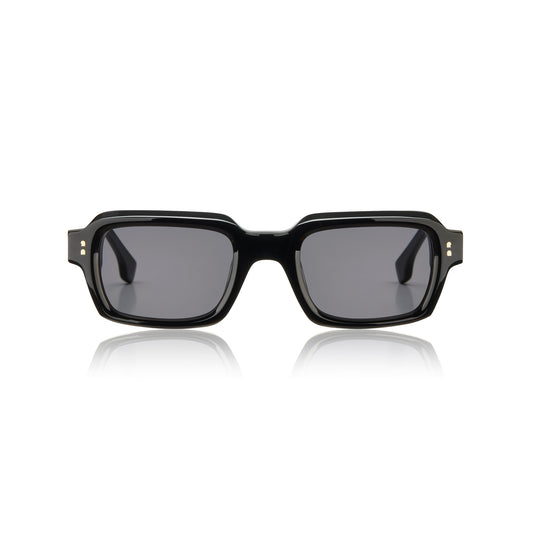
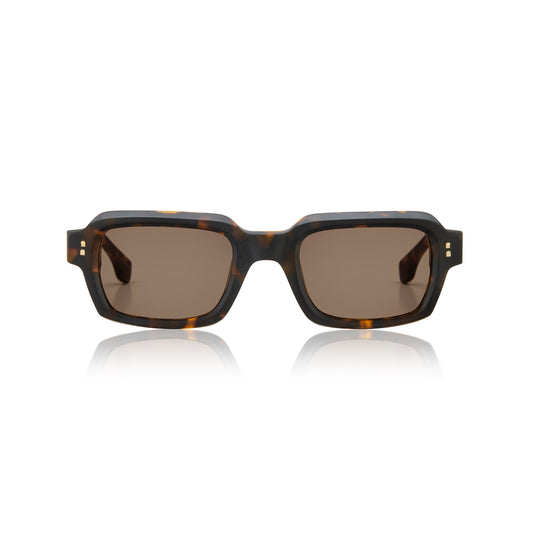
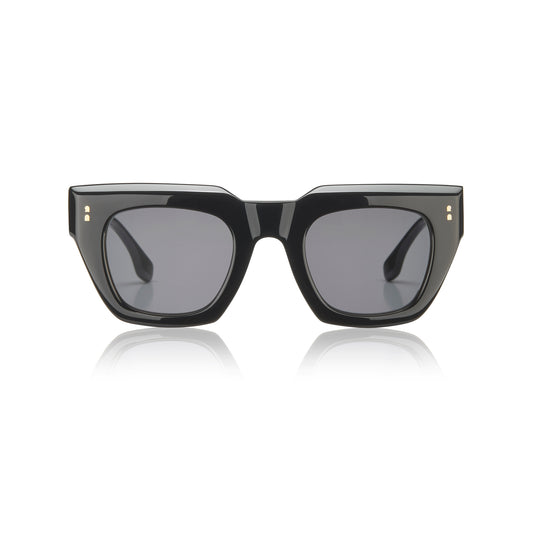
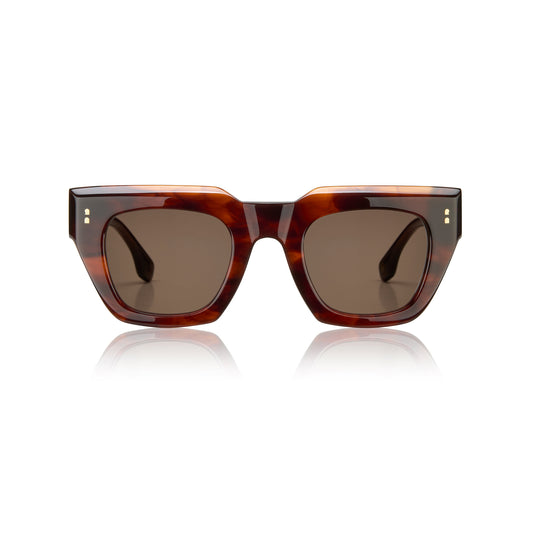
Before they were glamorous, Hollywood sunglasses were a bandage
Compartir
There is an image we all have stored away without knowing where it came from: the silent film diva stepping out of a car with round sunglasses, a fur coat, and that "don't look at me, although it's actually the exact opposite of what I'm asking for" attitude. We have seen it so many times in photos, in parodies, in memes that we now take it for granted as a gesture of pure style, the first form of the "I don't talk to the press" attitude that entire generations of celebrities would later inherit. And as happens with almost all gestures that seem like pure style, it turns out it began as a medical problem, in the most boring and physical way possible.
The set that burned the eyes
To shoot a film in 1915, a huge amount of light was needed, and the regular electric light of the time was not enough: the first nitrate films required such a brutal amount of photons that household bulbs fell short. The solution the industry found was carbon arc lamps, nicknamed "klieg lights" after the name of their manufacturers, the Kliegl brothers. These lamps produced a white, intense light—and this is the detail that no one tells you in the typical documentary—loaded with ultraviolet radiation, the same kind that burns you at the beach without you noticing until the evening. Now imagine that fifteen centimeters from an actor's face, eight, ten, twelve hours a day, for weeks, without protective glasses because it hadn't occurred to anyone yet that they were necessary.
The diagnosis with a brand name
The result had its own name, "Klieg eye," and it was exactly what it sounds like: photoelectric keratoconjunctivitis, that is, a sunburn on the cornea. Red, swollen, watery eyes, a sensation described by those who suffered from it as having hot sand under the eyelids, and in the worst cases, temporary blindness for several days. It wasn't an urban legend or a screenwriter's exaggeration: it was a real occupational hazard so widespread in Hollywood studios in the teens and twenties that trade magazines published home remedies—cold tea compresses, sliced potatoes, total darkness for days—with the same naturalness with which we talk about carpal tunnel syndrome for someone who spends the day in front of a keyboard today. Shooting a film, in that era, was literally risking your eyesight for your salary.
And then, someone put on some glasses
The logic of what happened next is so simple that it's almost embarrassing not to have imagined it sooner: if your eyes are irritated, red, and swollen between takes, and at any moment a fan magazine photographer might appear, waiting for the instant you leave the set, you put something in front of them. Silent film stars began wearing sunglasses not on screen, but off, during breaks, when leaving the studio, on the journeys between the set and the dressing room—a purely functional, almost medical gesture to hide eyes that looked like they hadn't slept for three days, even if it was only mid-morning. It was, without anyone planning it, the birth of one of the most recognizable images of the 20th century: the star hiding behind dark glass. What we read today as "mystery" and "glamour" started out, literally, as a bandage.
The accident that became costume
The interesting thing, and this is what is truly worth reflecting on, is how quickly the physical became an attitude. At first, no one put on sunglasses to look untouchable: they put them on because their eyes hurt and they preferred not to appear in a photo looking like they had cried all night. But the public, who knew nothing about arc lamps or keratoconjunctivitis, only saw Gloria Swanson or any other star getting out of a car with dark glasses and the attitude of someone with important secrets to keep. And once the public decides that something means power, that thing starts to mean power for real, whether it has any relation to the original reason or not. By the thirties and forties, when studio lighting had already improved and the risk of "Klieg eye" was much lower, stars continued to wear sunglasses off-camera. They no longer needed them. But the gesture had remained, transformed from a symptom into a symbol, which is more or less the biography of most of the objects we end up calling iconic.
What remains when the cause disappears
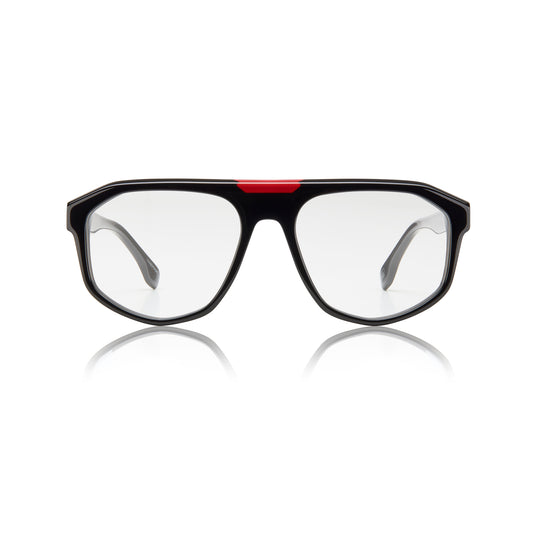
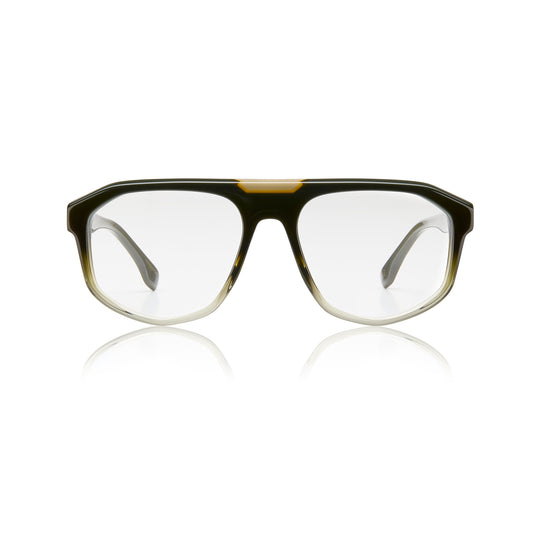
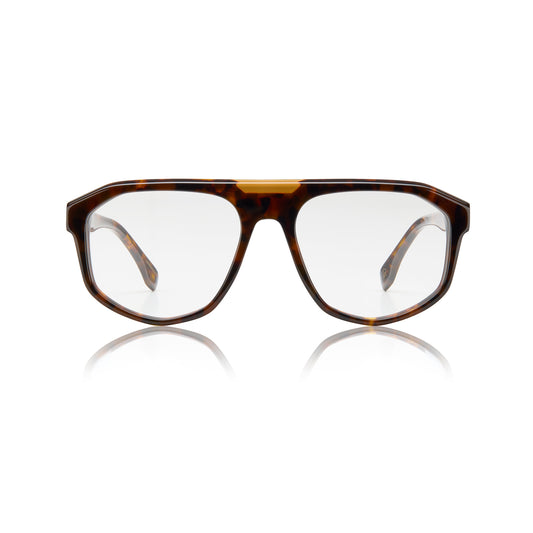
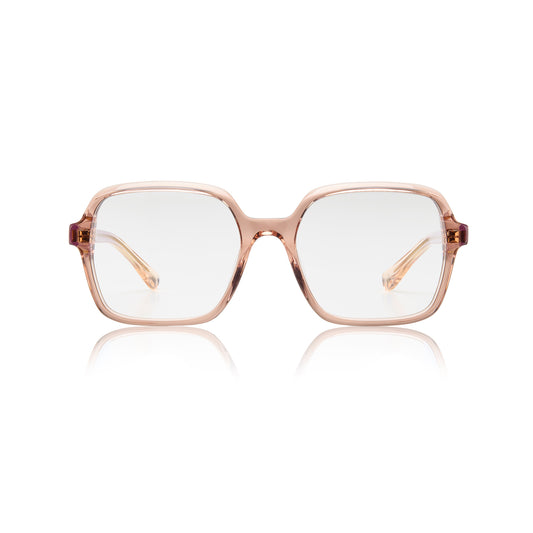
There is something almost comforting about discovering that one of the most studiedly elegant gestures in film history was born from a problem as unglamorous as a corneal burn due to overwork. We like to think that style is invented at a design table, when in reality most of the time it is inherited from a need that no longer even exists: someone solves a real problem, the gesture survives the problem, and generations later we continue to repeat it without asking ourselves why. Sunglasses on a set, at a hotel entrance, stepping off a plane—that entire repertoire of "star avoiding being seen" that we associate today with a specific type of fame began as early-century eye care. At RAVAL, we especially like this part of history, that of objects that start out as pure utility and end up as character, because it is more or less what we try to do with every frame that leaves the workshop: take care of the vision first, and let the style come on its own, just as it always did.
RAVAL designs glasses in Barcelona, heir to a century of people hiding, and finding themselves, behind a lens.