Por qué usamos gafas de sol: los jueces chinos que inventaron la cara de póker
Compartir
There is a gesture we have all made that no one has ever quite explained: putting on sunglasses indoors where there is no sun. In the subway. In a bar at seven in the evening. In an airport, which is a building designed specifically so that not a single ray of natural light enters, and where, nonetheless, there is always someone with dark lenses waiting for a suitcase with the intact dignity of someone who has no intention of offering explanations. We usually justify it with a hangover, jet lag, or the universal excuse that we were in a hurry, but the truth is older and considerably less elegant: we don't put them on to see less. We put them on so that we are seen less.
Eight centuries before the first sidewalk café
The story that is almost never told takes place in China, around the 12th century. Judges in courts began using flat pieces of smoky quartz—a natural, dark crystal without any prescription or optical pretension—placed in front of their eyes during interrogations. They didn't wear them because of the light, which in a medieval courtroom was a problem of scarcity, not excess. They wore them because a judge who reacts is a judge who has already said something. A raised eyebrow, a pupil that dilates half a millimeter, a misplaced blink: the accused reads all of that long before the verdict is pronounced. The smoky quartz wasn't used to judge better. It was used to judge without anyone knowing where the trial was heading.
It is a detail that is unsettling. The first documented function of a dark lens was not to protect the eye from the world, but to protect the world from the information coming out of the eye. Which technically makes sunglasses the first portable privacy technology in history, long before the password, the sealed envelope, and the plastic cover we put over our laptop cameras. Before the word "privacy" even existed, there was already someone putting a stone in front of their face so their thoughts couldn't be read.
The eye is a snitch with a very bad reputation
And they were right, which is the uncomfortable part. The gaze is the most indiscreet organ we have. We can train our voice, control our posture, choose our clothes, rehearse our sentences, hold a polite smile for an entire dinner in a technically flawless way, and even so, our eyes do as they please, betraying boredom, desire, panic, exhaustion, or that specific and hard-to-name emotion that occurs when someone is telling you the same anecdote for the second time. Every language in the world has expressions about what the eyes say and none have expressions about what the ears say. There must be a reason for that.
Hence, the dark lens has always had a moral double edge. In poker, it is strictly regulated. In a police station, it is unsettling. At a funeral, it is forgiven. In a job interview, it would be suicide. It is the only accessory that can simultaneously mean "I'm on vacation" and "don't ask me any questions," and the only garment that manages to make a stranger more interesting through the simple procedure of giving you less information about them. Mystery, as anyone who has ever tried to flirt knows, is almost never a quality. It is usually a well-managed absence.
A tiny and socially approved mask
What makes the story of the Chinese judges still relevant eight centuries later is that nothing has changed in essence. We continue to live in cities where we are permanently in plain sight of people we don't know, we continue to need small doses of anonymity to be able to cross a square without being a public figure, and we still haven't invented anything better than a dark lens to achieve it. It is the only mask that society accepts without asking questions: you can enter any place in the world with half your face covered, as long as it is this half-face and with this specific object, and nobody will call anyone. We have normalized a disguise and called it a summer accessory.
That is why sunglasses have never been a frivolous object, no matter how much they are sold on rotating displays at gas stations. They are a tool for controlling the amount of oneself that one makes available to others. A 12th-century judge and a lady walking down La Rambla on any given Tuesday are making, with twelve centuries and ten thousand kilometers of distance, exactly the same calculation.
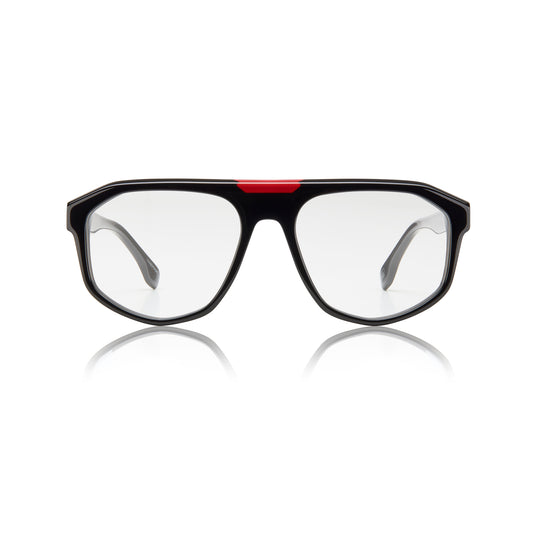
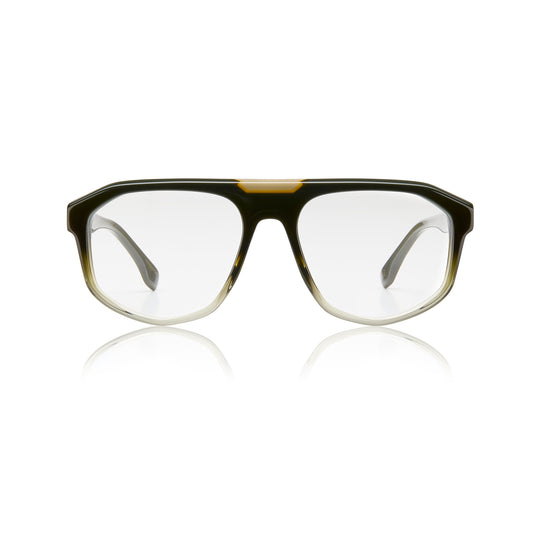
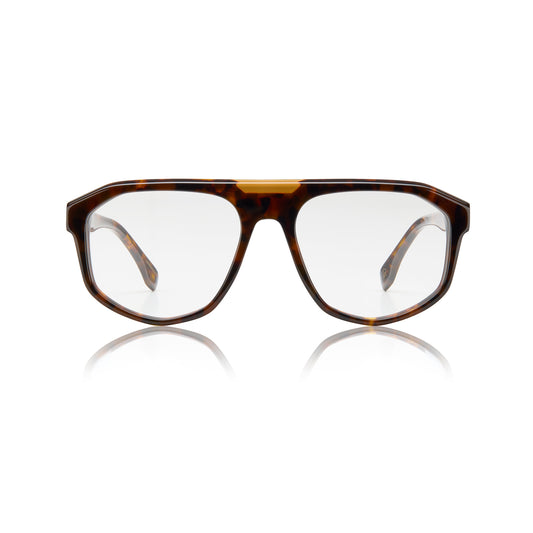
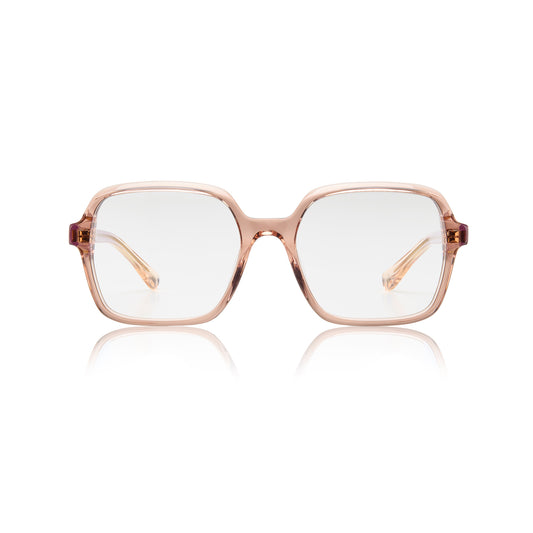
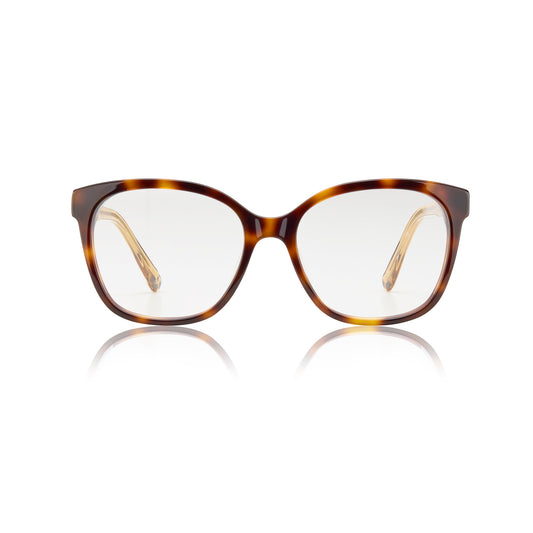
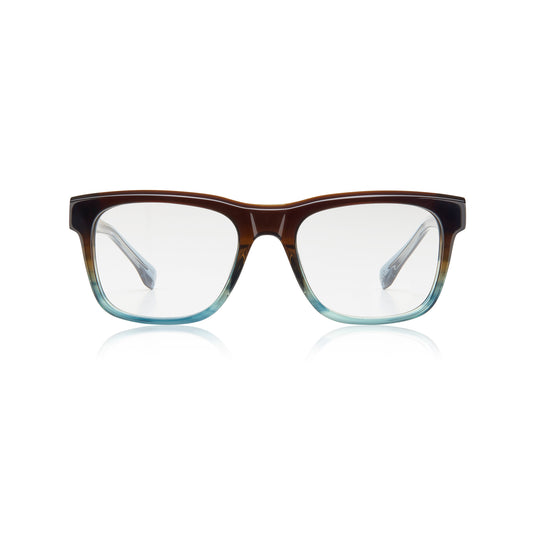
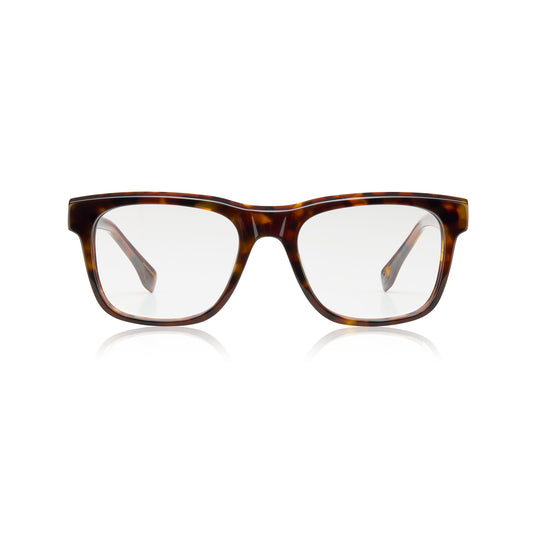
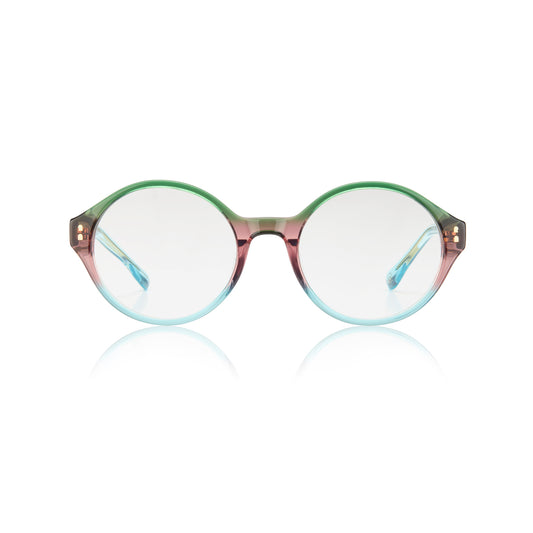
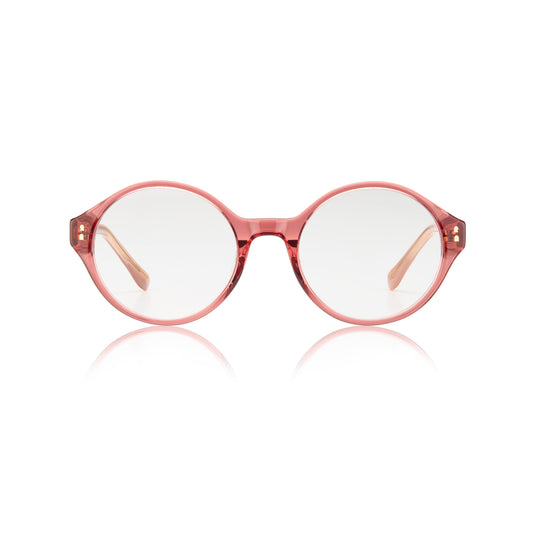
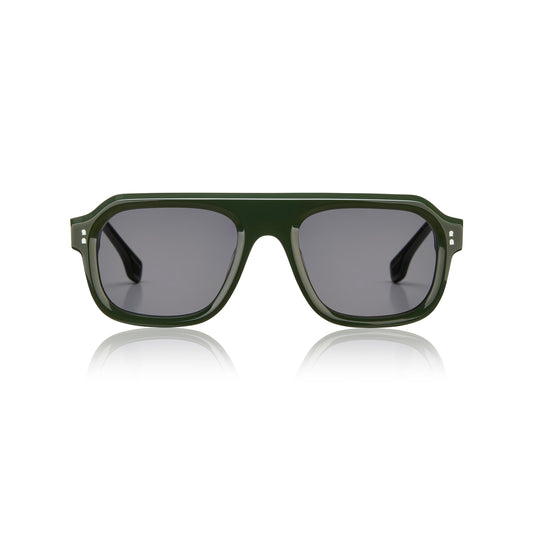
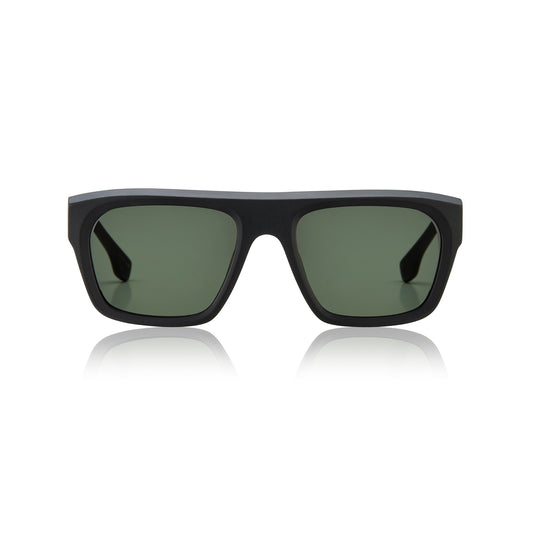
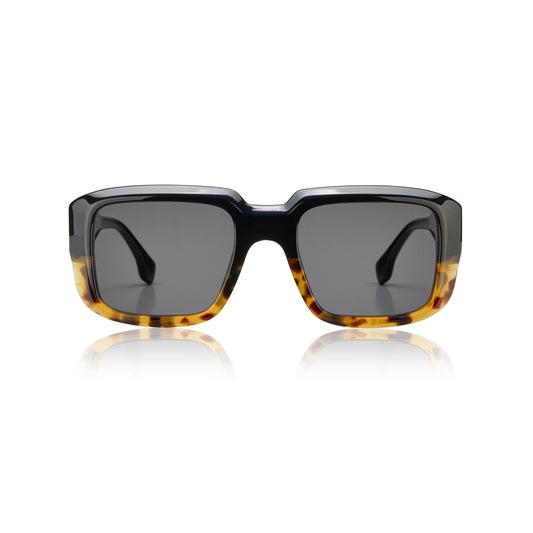
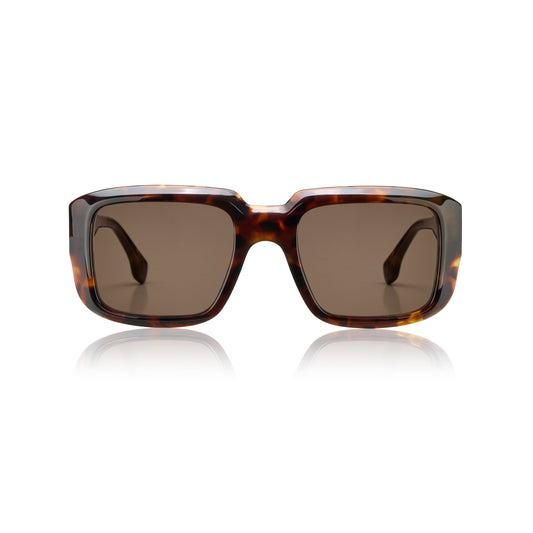
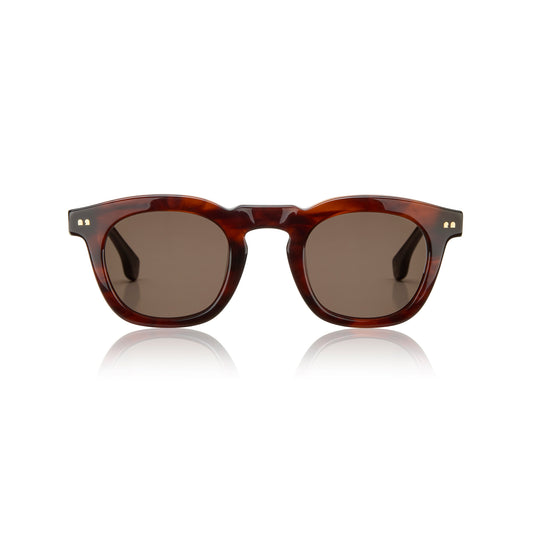
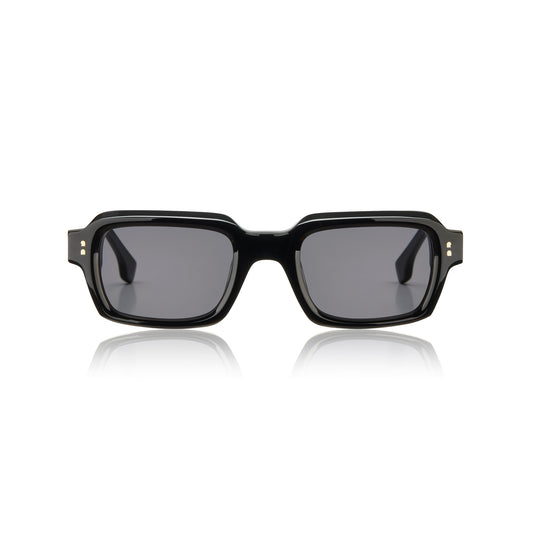
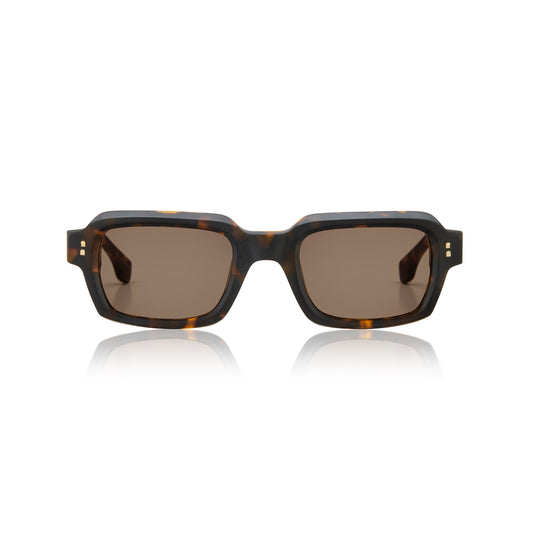
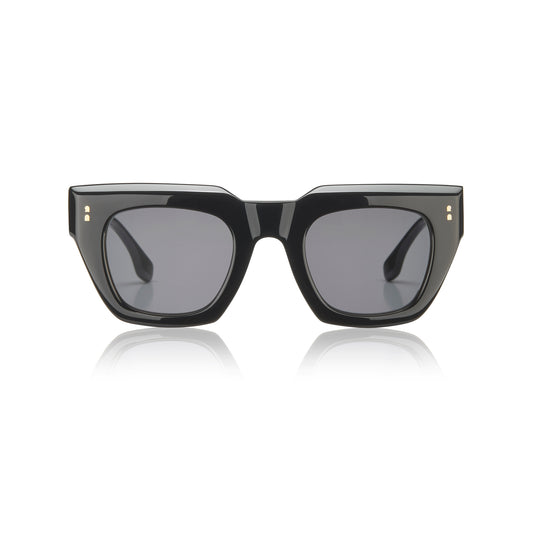
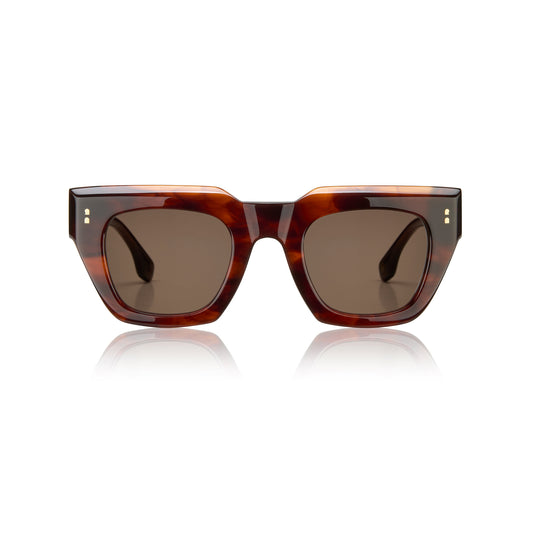
At RAVAL, we design in a neighborhood where life happens entirely on the street and where everyone, sooner or later, needs a place to hide their gaze. We like to think that a frame is chosen not just for how it looks on you, but for what you decide not to show while you're wearing it.
What was the first known use of sunglasses? It was not protection from the sun. The first documented uses of dark lenses, in 12th-century China, were by judges, who used smoky quartz to hide their expressions during interrogations.
RAVAL designs glasses in Barcelona, in El Raval. Culture, not catalog.