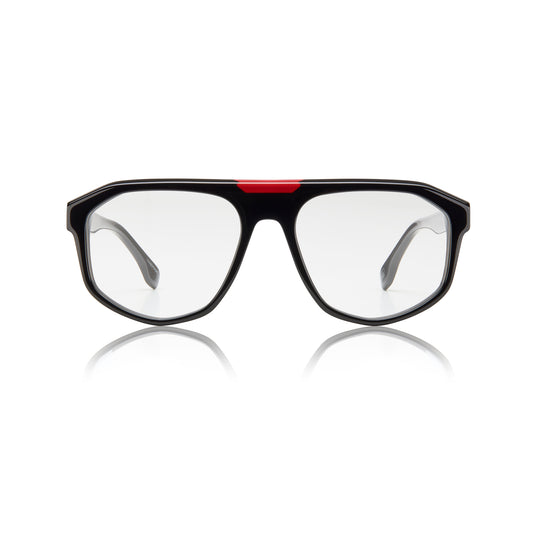
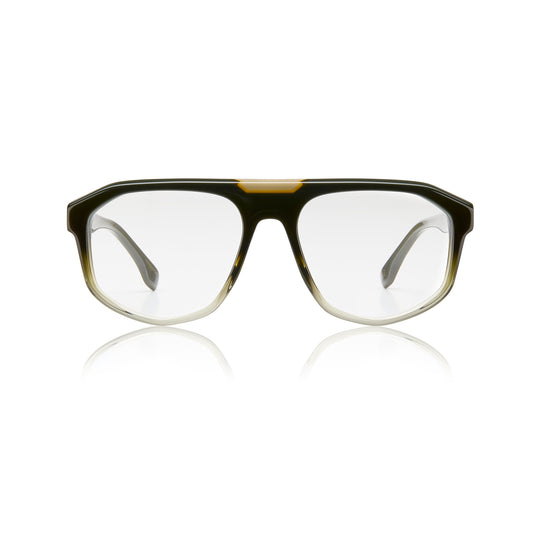
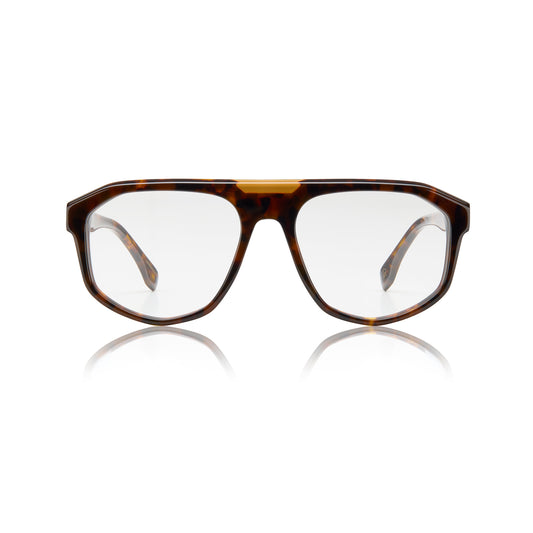
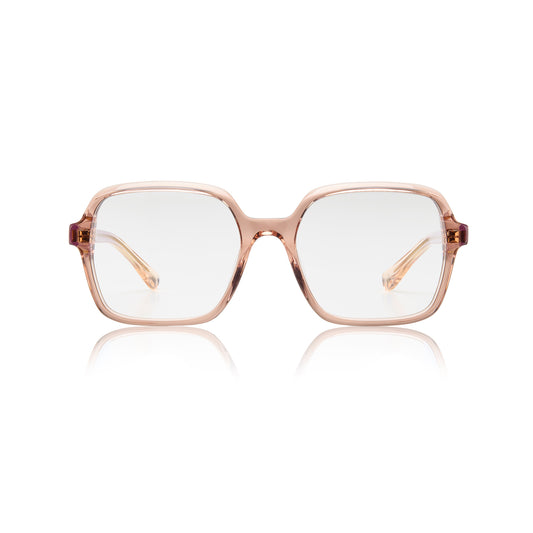
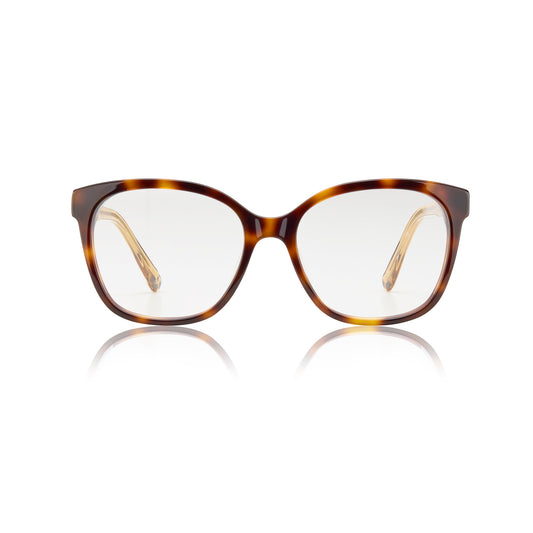
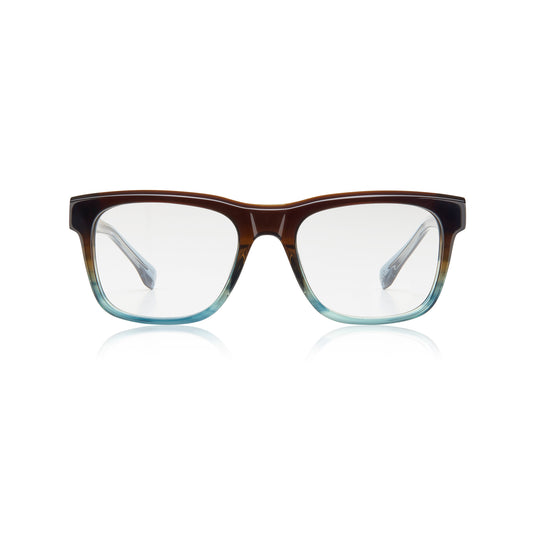
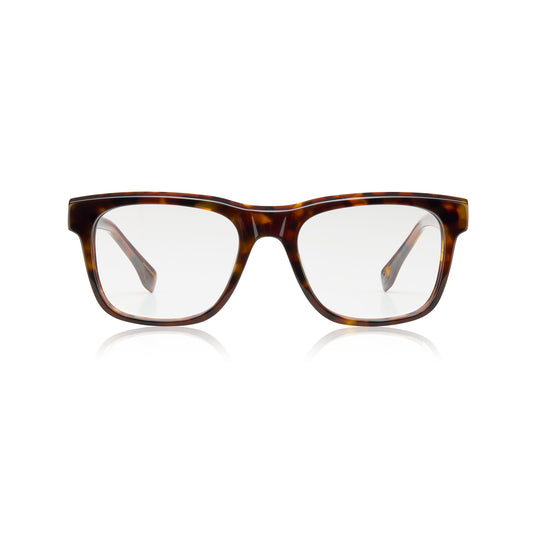
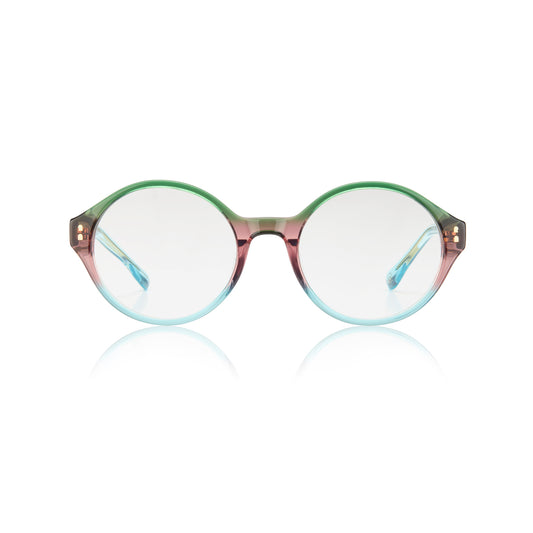
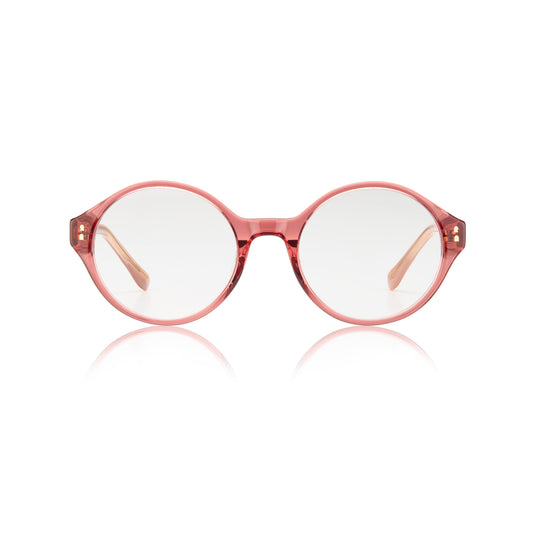
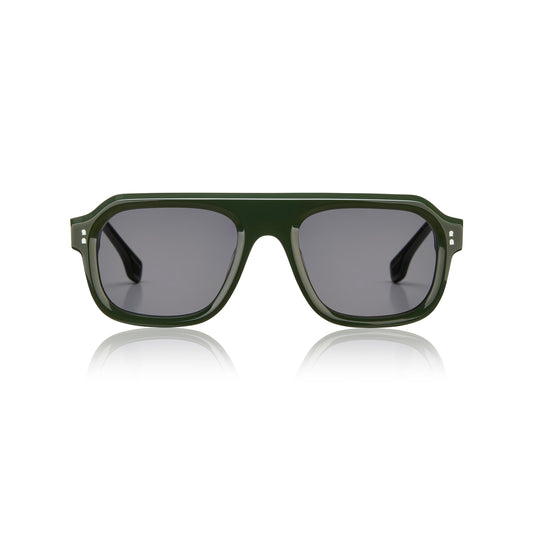
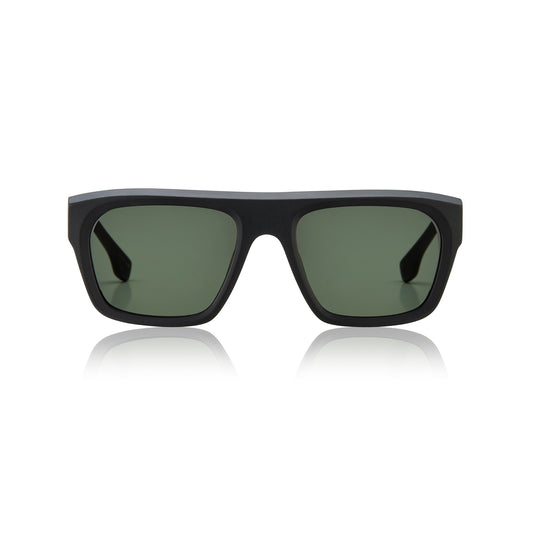
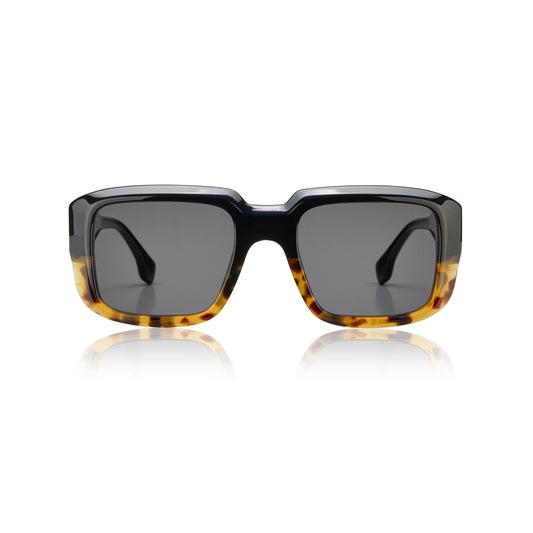
The lorgnette: the handle-mounted spectacles invented by an Englishman to look down one's nose at others.
Compartir
There is a gesture we have all made at some point without knowing it has its own name and is nearly three hundred years old: taking something (glasses, a phone, whatever) and holding it at a half-distance from the face instead of putting it on, as if the mere fact of not fully committing to nearsightedness gave you a certain moral superiority over the situation. Well, that gesture has a direct ancestor, and it is one of the most deliciously snobbish objects in the history of optics: the lorgnette, those glasses with a handle that the European aristocracy held aloft for two centuries, not so much to see better as to make it crystal clear that they were deciding if you were worth looking at.
A French name for an English invention
Here comes the first irony, and it’s a good one. The lorgnette sounds like Versailles, like a Parisian salon, like someone pronouncing "lorgnette" with a perfectly placed "r" while judging your attire from the safety of a tortoiseshell handle. And yet, the object was invented around 1770 by an English optician and instrument maker named George Adams (as French as afternoon tea, mist included). Adams designed lenses mounted on a folding handle, intended in theory for occasional reading, and the European upper crust decided that this was exactly what they had been waiting for all their lives: a way to use glasses without the vulgarity of wearing glasses. Because admitting that you needed help to see was, in a fairly twisted aristocratic logic, a form of weakness; holding the object in your hand, on the other hand, turned nearsightedness into a decision, almost a whim. France appropriated the idea so well that today no one remembers the Englishman of the mist, which, to be fair, is exactly the kind of story the English love to tell about themselves with a glass of wine in hand.
The weapon of opera, theater, and the salon
During the 19th century, the lorgnette became the official accessory for any place where there was something, or someone, worth examining with disdain from a distance. At the opera, in the theater, in the salons where it was decided who entered which circle, the lorgnette functioned as a social-class periscope: it was raised, aimed, held in the air just long enough to make it clear you were evaluating, and lowered again with an almost audible click. It wasn't an optical instrument; it was a performance. You didn't raise the lorgnette to watch the play; you raised the lorgnette so the entire room would see that you were watching the play, and in the process, to inspect the dress of the lady in the row in front without pretense. Regular glasses help you look at the world. The lorgnette helped the world know that you were judging it, which are completely different things and, for a certain social class of the 19th century, much more important.
Looking down your nose, literally
The fascinating thing about the object is that its physical gesture (the outstretched arm, the handle held between two fingers, the slightly elevated chin) is exactly the body choreography of the expression "looking down your nose," only taken into literal territory. The lorgnette didn't just serve to judge: it was, in itself, the posture of judgment made into an object. For nearly two centuries, half of the European aristocracy practiced a daily ritual of optical superiority without needing to say a single word, because the handle, the lift of the wrist, and the pause before lowering the glass said it all. It is hard to think of another accessory in the history of fashion that has dedicated so much design, so much craftsmanship in tortoiseshell, gold, and enamel, to the specific task of making another human being feel small with elegance.
From handle to frame: the democratization of looking
What ended the lorgnette was not a decree or a revolution; it was something much more boring and much more human: comfort. At the beginning of the 20th century, frames that stayed on the face by themselves (what we call, simply, glasses today) won the game because they freed up both hands, because there was no need to hold anything aloft during three acts of an opera, and because, deep down, fewer and fewer people were willing to pretend they didn't need to see well. The object designed to distinguish the wearer from the rabble who just put on their glasses ended up losing to the rabble. There is something almost poetic in the fact that the most democratic gesture in the entire history of optics—putting on your glasses and that’s it, without ceremony, without a handle, without a dramatic pause—was precisely the one that won.
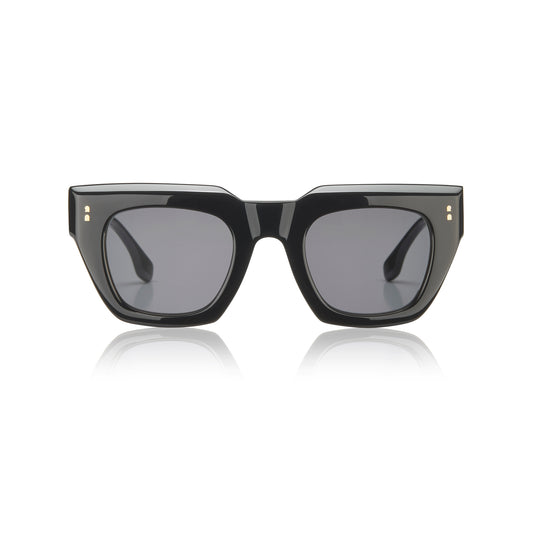
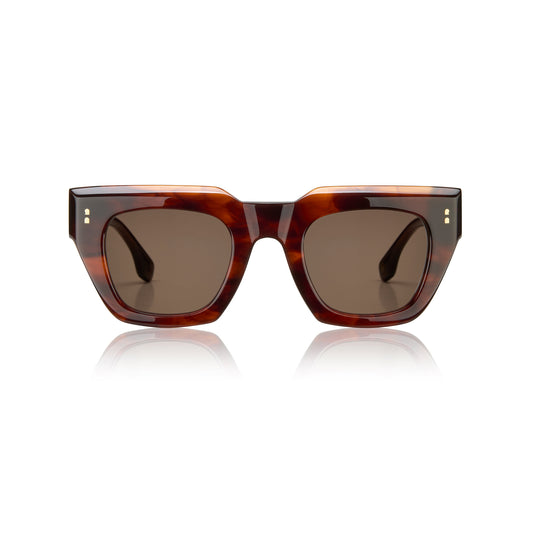
We, who design in a neighborhood where a tortoiseshell handle has never been needed to be taken seriously, are sticking with that part of the story: the one about glasses that are worn, without distance and without judgment, to look at the world head-on. Let everyone decide who they look down their nose at; we prefer to look people in the eye.
RAVAL designs glasses in El Raval, Barcelona, a neighborhood that has never quite understood that business of looking down on people.