El Raval: el barrio que nos dio el nombre (y mucho más que eso)
Compartir
There are neighborhoods that can be explained with a photo and neighborhoods that need a novel, and the Raval has spent a whole century refusing to fit into either. It is that slice of Barcelona that guidebooks describe with the caution of someone recommending a restaurant knowing that half the table is going to hate it: "authentic," "full of character," "in the midst of transformation"—all those euphemisms people use when a place is too alive to be summarized by a TripAdvisor star. Here, the Boqueria and the MACBA coexist, the lifelong boarding houses and the boutique hotels, the ladies who have been coming down for bread for fifty years and the kids who come to skate in front of the museum as if the square had been built for that purpose. And somehow, it all works. Not with the harmony of a brochure, but with the stubborn logic of a place that has survived everything by trying to be itself.
The neighborhood that was given a name that wasn't its own
The curious thing is that not even the neighborhood’s most famous name was the neighborhood’s own idea. In 1925, a journalist named Paco Madrid published a series of reports on the underworld of the fifth district and, looking for a catchy headline, christened it "Barrio Chino" (Chinatown)—even though there were hardly any Chinese people in it. The name was pure literature, a label borrowed from the slums of American cities. And, as always happens with good phrases, it stuck. For nearly a century, half of Barcelona called a place "Chinatown" that never was one, because it turns out that a well-placed word can fix the identity of an entire place with more force than its own history. It is a lesson anyone involved in naming things knows well: sometimes you don't describe reality, you invent it, and then reality strives to resemble the name.
La Criolla, or "All Humans Welcome" a hundred years before the hashtag
If one wants to understand the soul of the Raval, one shouldn't start with its museums but with its vanished cabarets. During the same period when the neighborhood received its borrowed nickname, La Criolla operated on its streets, a legendary cabaret where—and this is not romantic nostalgia, it is historical documentation—sailors, bored aristocrats, prostitutes, poets, curious tourists, and port workers danced on the same floor at three in the morning. There was no "decent" version of the Raval that coexisted with a clandestine one: the neighborhood was the place where social classes that pretended not to know each other during the day shared the same drink and the same music at night. The idea that everyone is welcome is not a marketing campaign invented in a meeting: it is something this neighborhood has been practicing, with its lights and shadows, for a hundred years.
Artist material, not postcard material
And precisely because it was raw, the Raval was always a magnet for people hungry for real life. Jean Genet landed here in 1933, lived its underworld without any safety net, and years later turned it into literature in The Thief's Journal. Picasso and Hemingway threw parties in these very same streets that today would fuel three documentaries. What's interesting is that none of them came to visit the neighborhood like someone visiting a stage set: they came to live it, to document it from within, to tell the story of the real street instead of the presentable version. Long before the word existed, the Raval was already streetwear journalism: people documenting what was happening on the sidewalk with the conviction that that, and not the salons, was where the important things were happening.
Why a neighborhood like this cannot be copied
Today the Raval remains uncomfortable to label, and that is probably its greatest virtue. It has gentrified in parts and resisted in others; it has art galleries and bars that haven't changed their menu since the nineties; it receives tourists who adore it and neighbors who defend it from the tourists. It is contradictory in the way only truly alive places are. And that, which for an urban manager is a problem, for a brand is exactly the opposite: an identity that cannot be manufactured in a meeting or cloned in another city. Neighborhoods with history are not franchised. Either you are from here, or you are not.
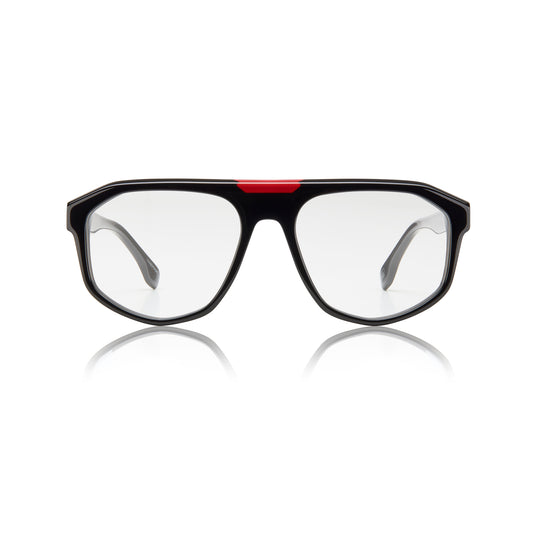
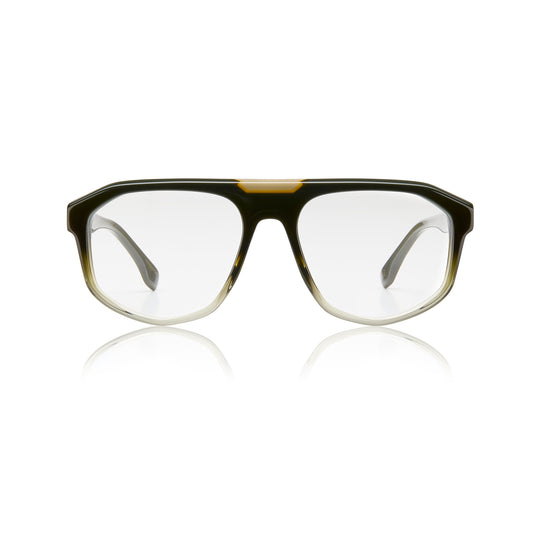
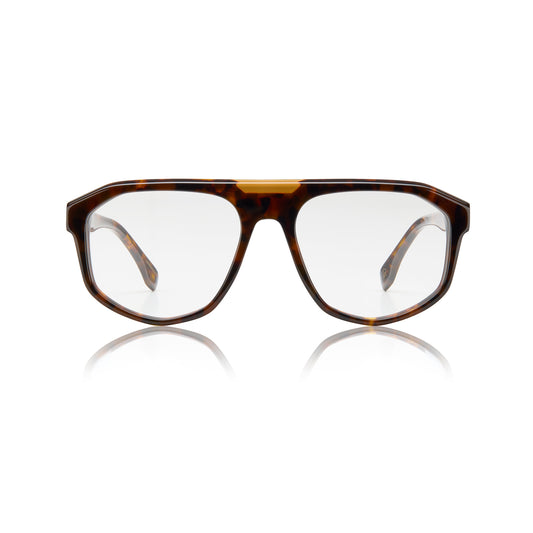
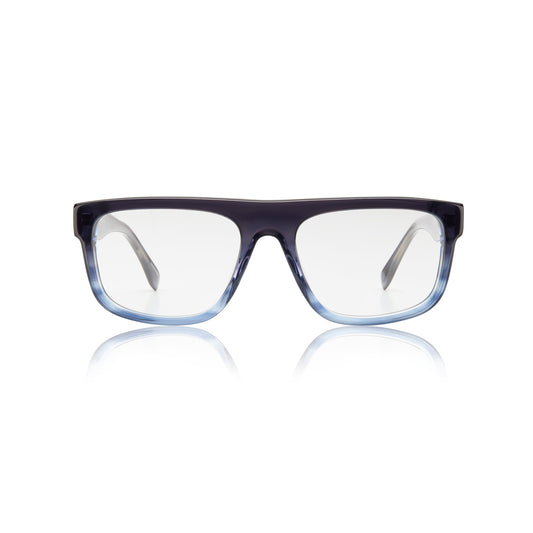
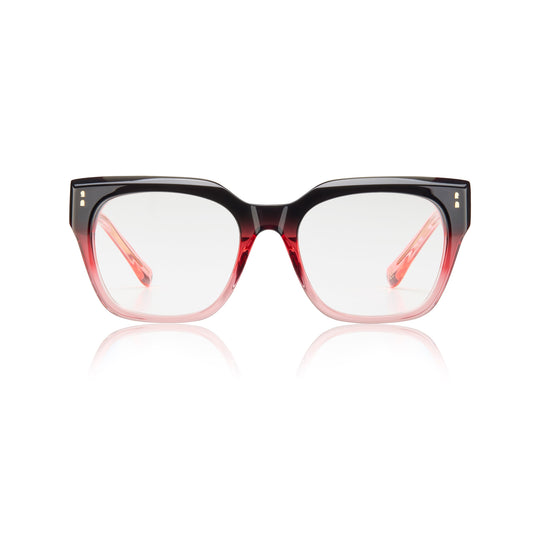
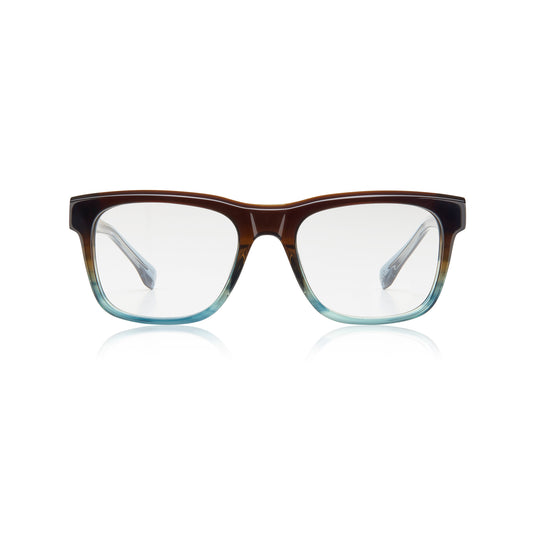
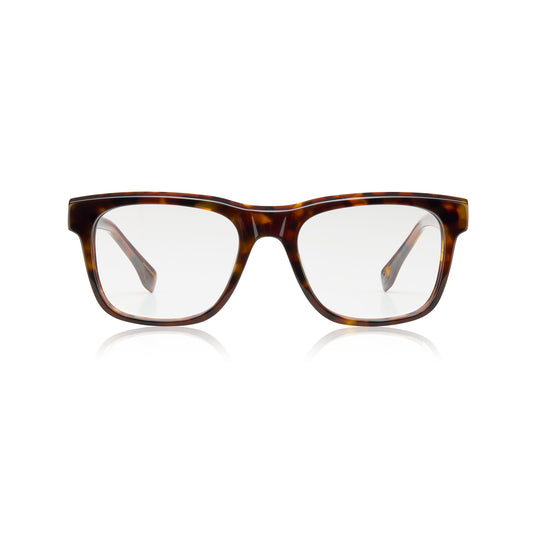
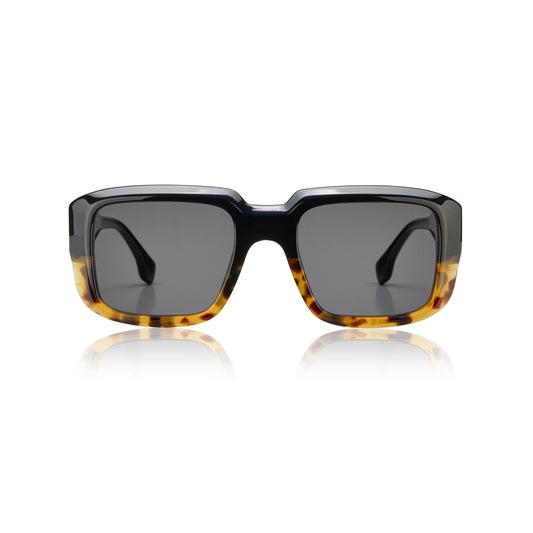
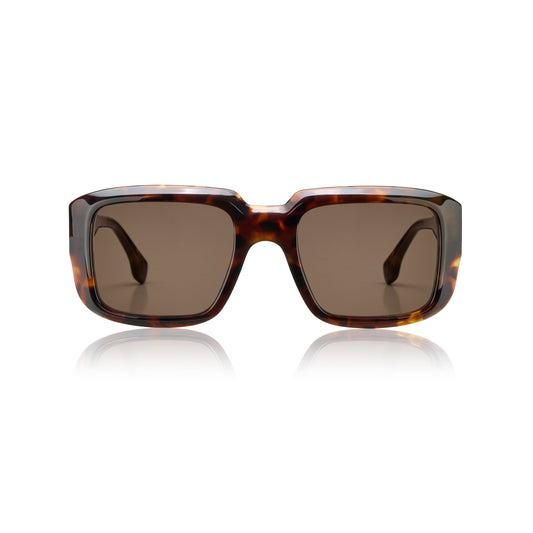
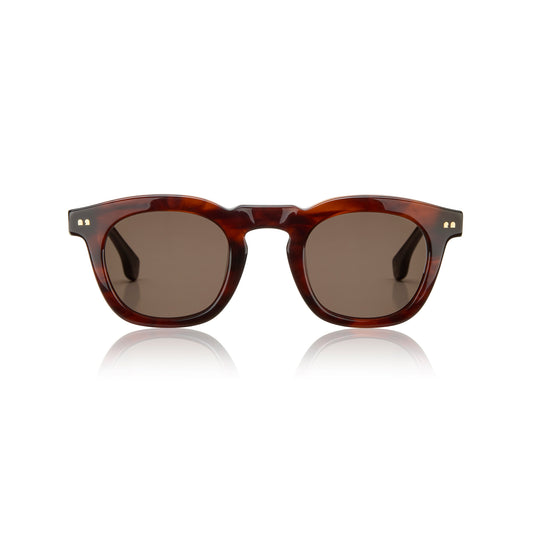
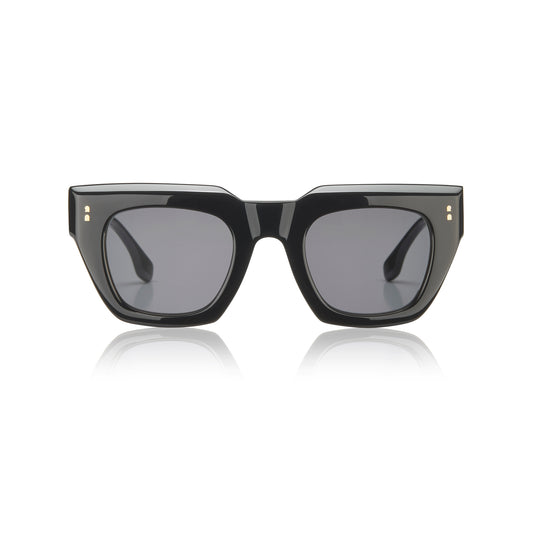
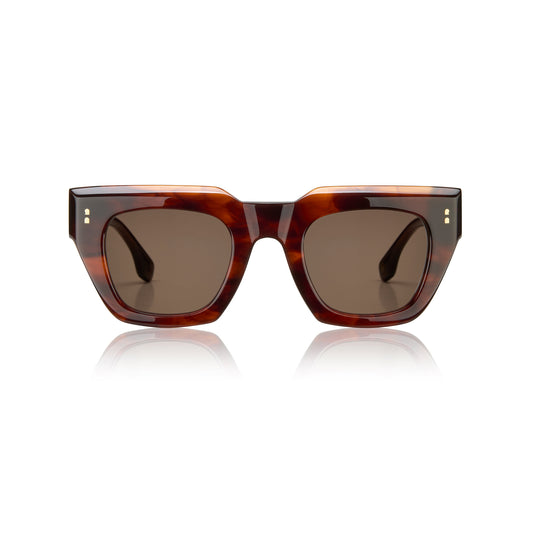
That is why the name is no coincidence. RAVAL is not named that way because it sounded good in a focus group, but because we come from here—from a neighborhood renamed by accident, multicultural by necessity, roguish by habit, and democratic by conviction. We design glasses in the place where, a hundred years ago, everyone was already welcome on the same dance floor. It's not a slogan. It's an address.
RAVAL was born in El Raval. Every frame carries the character of the neighborhood that gave it its name: independent, Mediterranean, and for everyone.