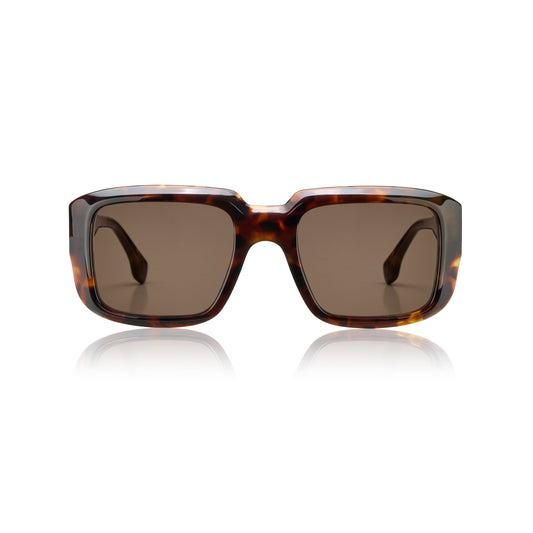
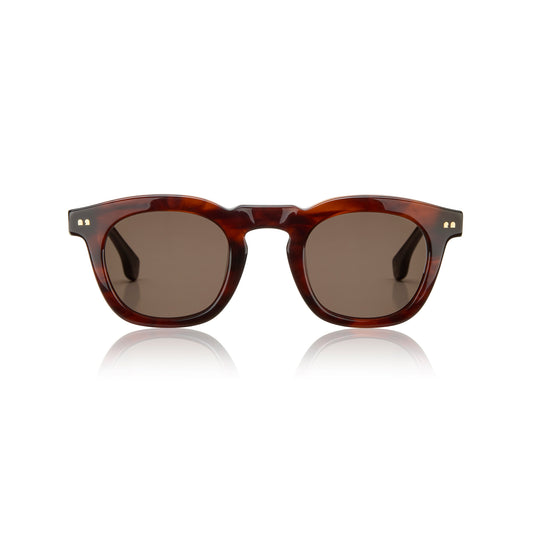
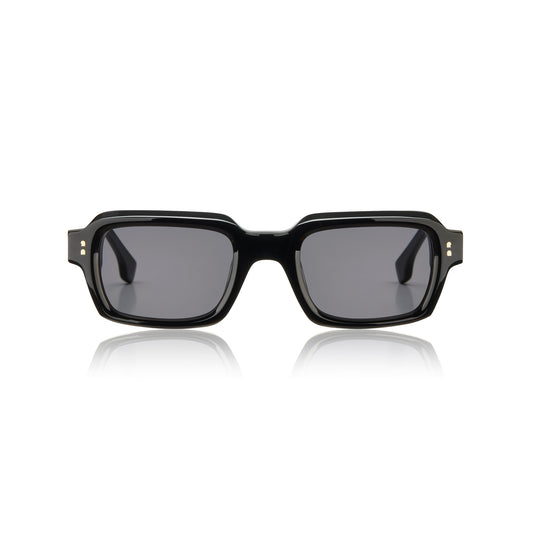
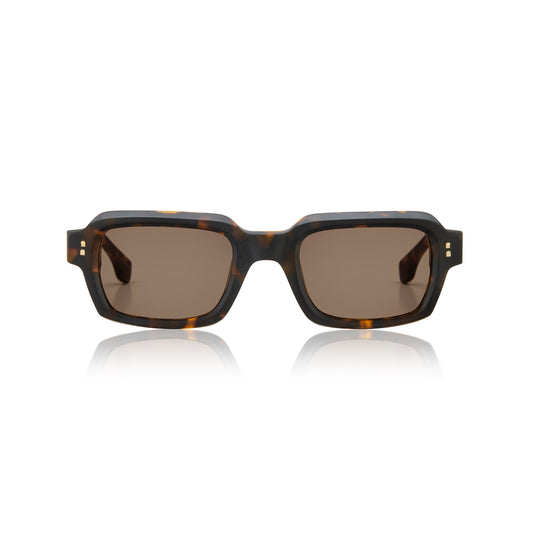
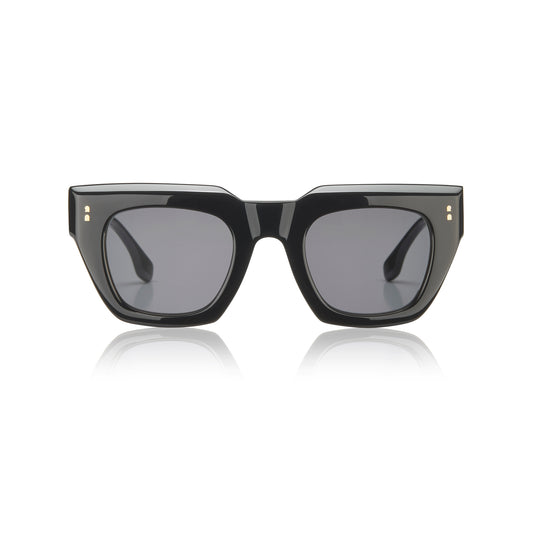
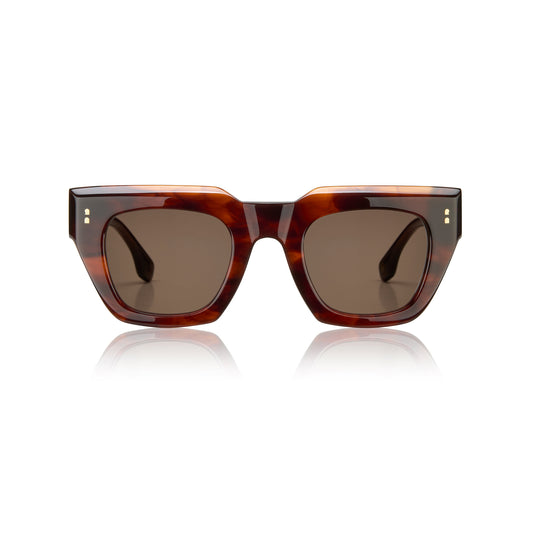
Sunglasses exist because of an 18th-century misunderstanding.
Compartir
Sunglasses exist because of an 18th-century misunderstanding
We assume that sunglasses were invented to protect us from the sun, which is one of those reasonable assumptions that almost nobody bothers to verify and turns out to be, like so many reasonable things, historically false. The object most associated with summer, sidewalk cafes, and movies where someone takes them off in slow motion to underline that they are about to say something important, was actually born from a succession of accidents, misinterpretations, and people trying to solve a completely different problem. Which is, if you think about it, the way almost everything good is invented.
Chapter one: the Inuit who didn't want to darken the world, but to sharpen it
The first sunglasses in history were not made of glass or plastic, nor did they have anything to do with fashion. About two thousand years ago, Inuit peoples carved curved pieces with a very thin slit out of bone, antler, or wood, tied them to their faces, and rubbed them with soot to reduce glare. They didn't darken the landscape: they sharpened it. In a world of infinite white where snow reflects light with a violence capable of leaving you blind for days, the solution wasn't to see less, but to see just right. It is a surprisingly modern idea for a bone object: that seeing better sometimes consists of filtering, not covering. Two thousand years later, we still haven't fully improved the concept.
Chapter two: the Englishman who invented them without wanting to invent them
And here comes the foundational misunderstanding. In the mid-18th century, an English optician named James Ayscough began experimenting with green and blue tinted lenses. His goal had absolutely nothing to do with the sun: Ayscough was convinced that clear glass was too harsh for the eyes and that a soft color would alleviate visual fatigue for those reading or working under artificial light. He was, in essence, an accidental pioneer of what we would today call a blue light filter. The problem is that people, who then as now paid more attention to what they saw than to what they were told, noticed that those colored lenses reduced the sun's glare and began using them exactly for that. Ayscough was trying to relieve eye strain indoors and, unintentionally, gave the world sunglasses. He died, as far as we know, without knowing that he had founded an industry he didn't intend to found.
Chapter three: the twenty-year-old prodigy
The definitive leap took almost two more centuries and was taken by a kid. In 1929, a certain Edwin Land — twenty years old, disproportionate ambition, and a brain that would change how the century sees twice — developed polarized material, the kind that doesn't just darken but filters reflection according to its angle. From there came the first "Day Glasses." The same Land would later invent the Polaroid camera, which leaves a hard-to-beat statistic: a single man transformed how we see the world and how we photograph it, and he started by doing it with an idea about glasses. When someone says that sunglasses are a frivolous object, it is worth remembering that they came from the same brain as instant photography.
The moral, which was not in the plan
The beautiful thing about this story is how little it resembles a plan. An Arctic people trying not to go blind, an English optician worried about eye strain, a twenty-year-old prodigy obsessed with light: none of them sat down to "invent sunglasses." The object we associate today with leisure, style, and vacations is actually the result of several people solving serious problems and being wrong in the right direction. The best things almost never come from the original plan. They come from someone who was trying something else and paid attention to what was actually happening.
At RAVAL we like that idea more than we probably should admit: that such an everyday object carries two thousand years of happy accidents, of people looking at the world and deciding to sharpen it a little. Every frame we design is, whether we like it or not, the latest chapter in that long and messy story. We don't invent anything. We only continue a very old conversation about how to look.
Who invented sunglasses? There was no single inventor. The Inuit created the first sun protection 2,000 years ago; James Ayscough popularized tinted lenses in the 18th century (by mistake), and Edwin Land developed polarized lenses in 1929.
RAVAL designs glasses in Barcelona, heir to that long history of looking better.