"It is not yet twenty years since we learned how to do this": the 1306 sermon that dates the invention of spectacles
Share
On 23 February 1306, in a church in Florence, a Dominican friar named Giordano da Pisa was delivering a sermon — one of the long winter ones, congregation packed in, cold coming through everywhere — when he dropped, in passing, a sentence that is now probably the single most important document in the history of optics. He said, roughly: it is not yet twenty years since the art of making spectacles was discovered, one of the best and most necessary arts the world possesses. And then he added the part that raises the hair on your arms: I myself saw the man who first discovered and made it, and I spoke with him.
I saw the man. I spoke with him.
Somebody who noticed in real time
The extraordinary thing about that sentence isn't the date, although the date is pure gold for historians. It's that Giordano understood. He was alive at the precise moment the invention appeared, grasped that it mattered, took the trouble to say so out loud, and left a record. That is vanishingly rare. Almost everything that has changed the world went unremarked while it was happening: the people who lived through the printing press, the steam engine or the early internet took decades to work out what had landed on them. Here, instead, is a man in an Italian church in 1306 saying, in effect: what has just happened is enormous, and I met the bloke.
And even so — here comes the unbearable part — he didn't give us the name.
The most useful invention of the millennium is unsigned
That is the great hole in the story. Spectacles appear in northern Italy around 1286, most likely somewhere between Pisa and Venice, which makes complete sense: it was the corner of Europe with the finest glassworking and the highest concentration of people whose job involved reading small script for hours — copyist monks, notaries, merchants with ledgers. Which is to say, the greatest density of tired eyes on the continent. We know that one Alessandro della Spina, a Dominican of Pisa, learned to make them and, unlike the original inventor, taught everyone else how it was done. His obituary says so without any diplomacy at all: another man invented them and would not share the method; he remade them and shared it with everybody, cheerfully.
Translation: the first man kept it. He had a trade secret in his hands, understood what it was worth, and decided it was his. And the result, eight centuries later, is that some two billion people put his invention on their faces every morning with no idea whom to thank. It's the most elegant revenge history has ever taken on somebody for not sharing: it didn't punish him by forgetting his work, which survives on faces across the entire planet, but by forgetting his name.
Three hundred years with nothing to hold them on
Another detail that tells you a great deal about how innovation actually works. Those first spectacles were two convex lenses set in rims joined by a rivet, and they attached to nothing. You held them up with a hand, or balanced them precariously on the nose, or tied them to a cap with ribbon. Nobody thought of arms.
Nobody thought of arms for four hundred years.
Sit with that a moment, because it is one of the most human facts in existence. Entire generations of formidably intelligent people — astronomers, cartographers, mathematicians, scientists rearranging the whole universe in the meantime — holding lenses up with one hand and turning pages with the other, and not one of them thought the thing might rest on the ears, which had been there the whole time, doing nothing. Side arms don't become general until the eighteenth century. The obvious solution always runs several centuries late, and only ever looks obvious afterwards.
The north would have patented it; the south told it in a sermon
There is something very Mediterranean about this whole story, said with affection. An invention that arrives with no deed, no register and no name; a friar who documents it by accident while talking about something else; a second maker who blows the first man's secret open simply because he thought keeping it was poor form; and all of humanity benefiting from a chain of events no innovation department would ever have signed off. In northern Europe this would have produced a patent, a twenty-year lawsuit and a museum with an audio guide. Here it produced a winter sermon and an obituary.
Neither is better. But it's likely that the finest invention of the Middle Ages remains unattributed because it happened somewhere people were rather busier using things than registering them.
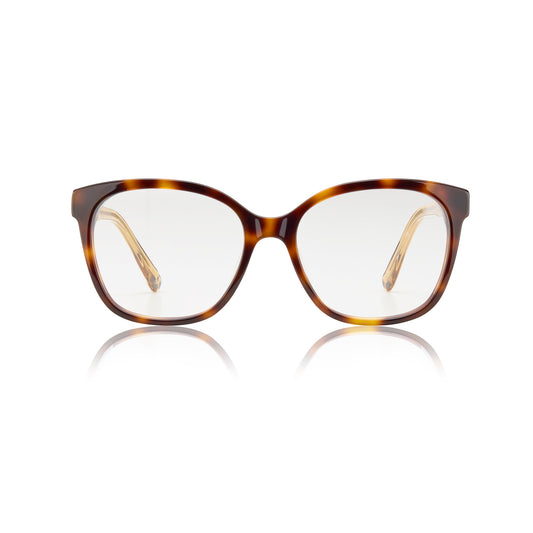
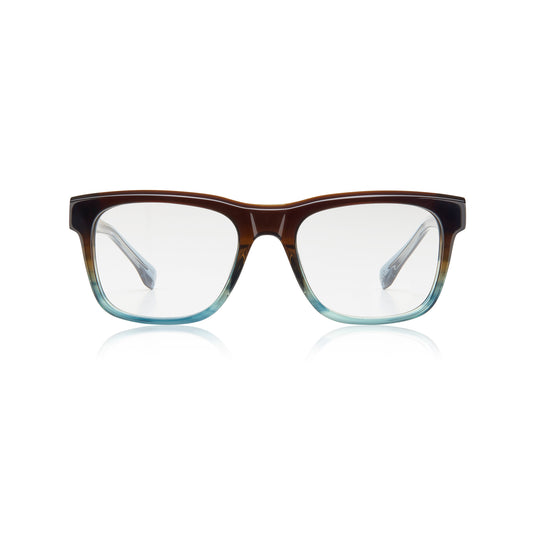
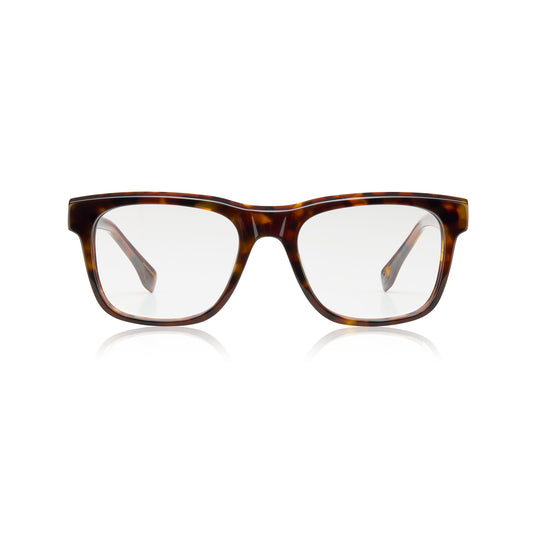
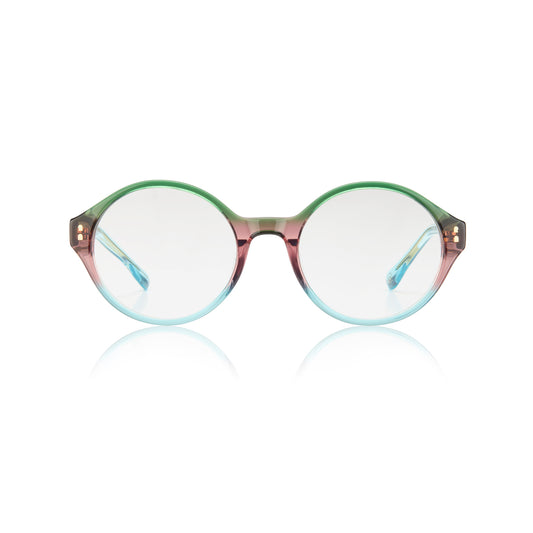
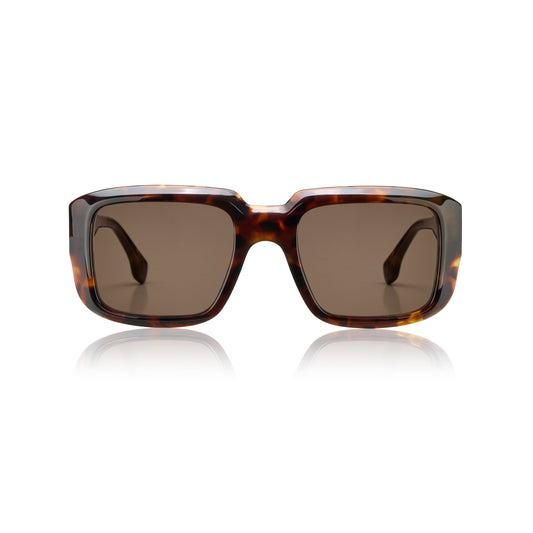
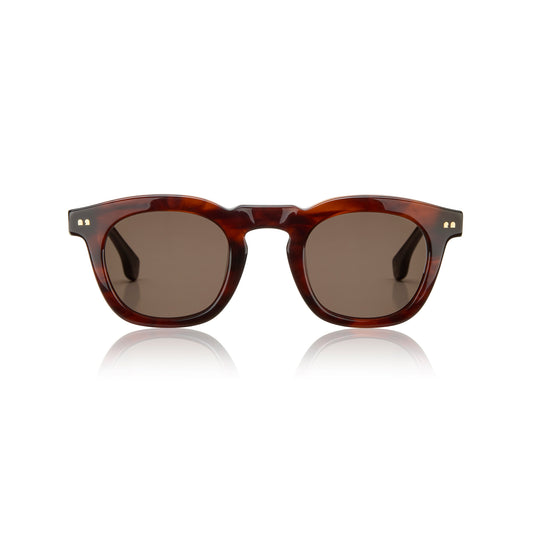
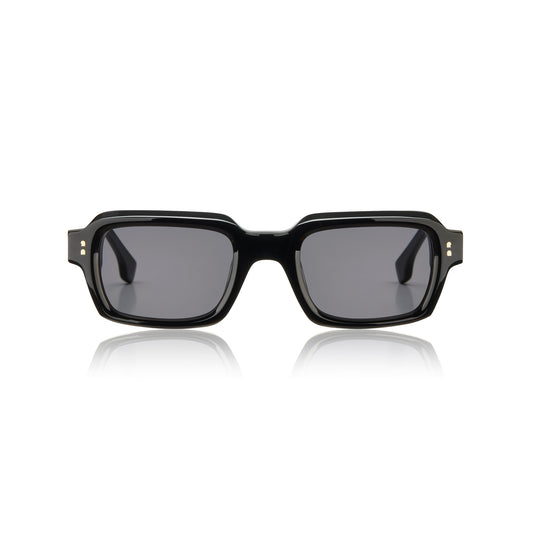
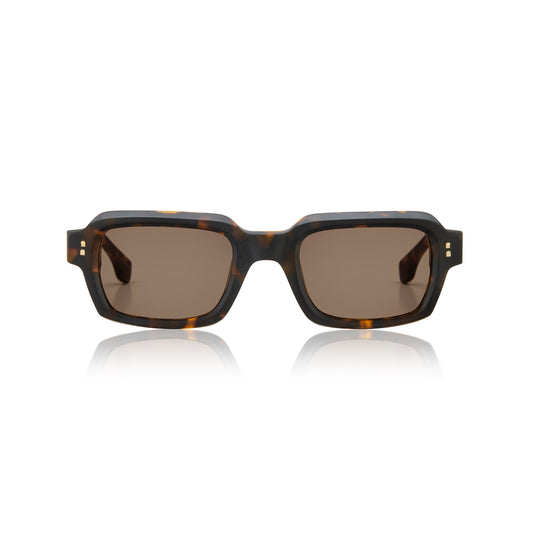
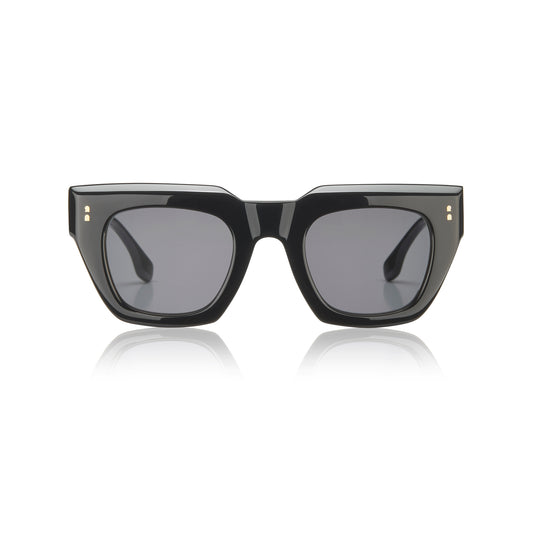
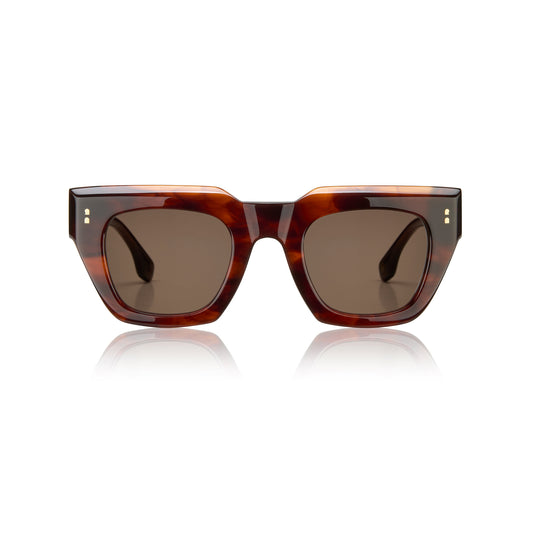
At RAVAL we work with an object carrying eight hundred years of anonymous people improving it a little at a time: somebody added the rivet, somebody added the bridge, somebody — four centuries late — worked out the ears. We invented nothing. At most we're adding a short chapter to a book somebody else started and never signed.
Who invented glasses? Nobody knows. Spectacles appeared in northern Italy around 1286 and the inventor kept the method secret. In 1306 the friar Giordano da Pisa recorded in a sermon that he had personally met the inventor — but never wrote down his name.
RAVAL designs eyewear in Barcelona, in El Raval. Culture, not catalogue.