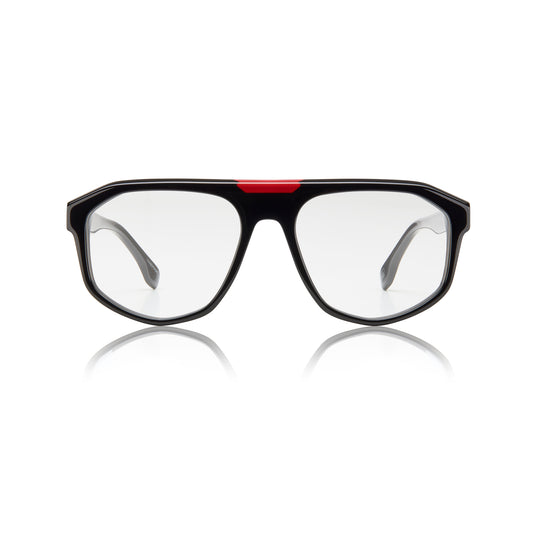
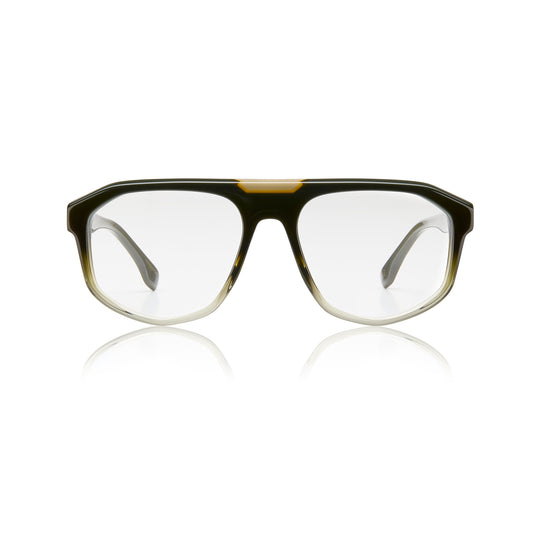
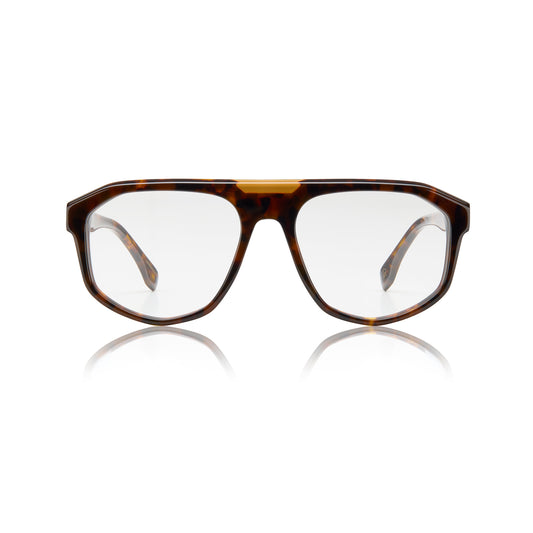
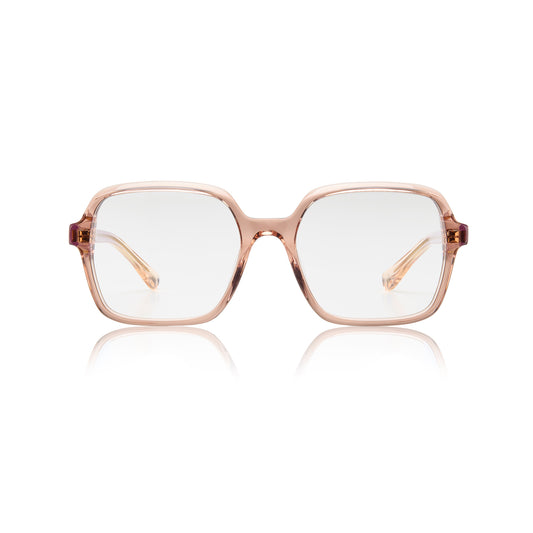
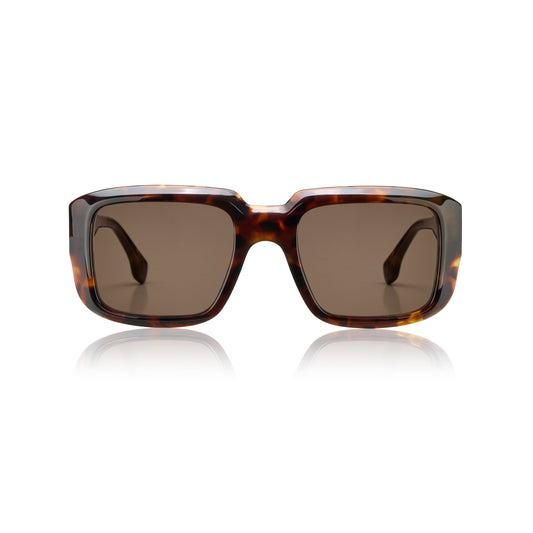
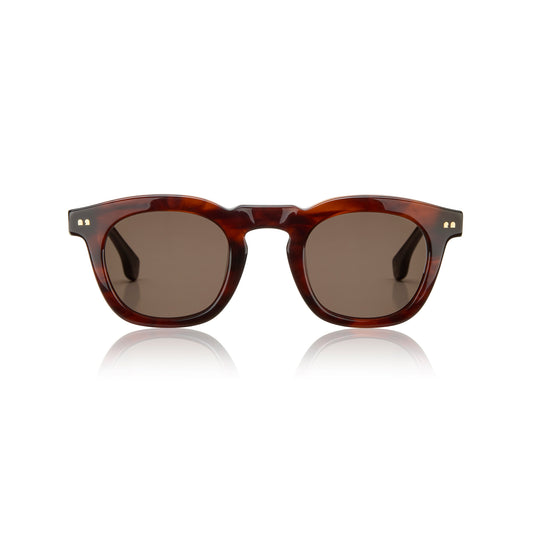
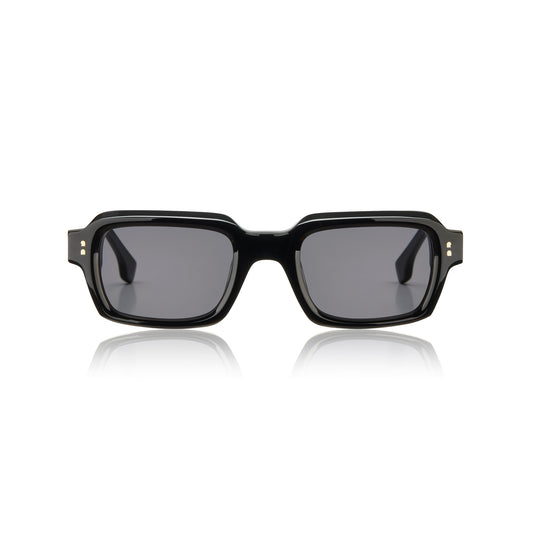
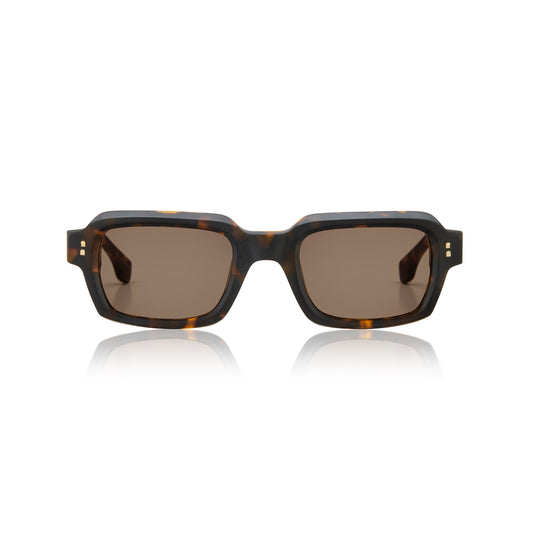
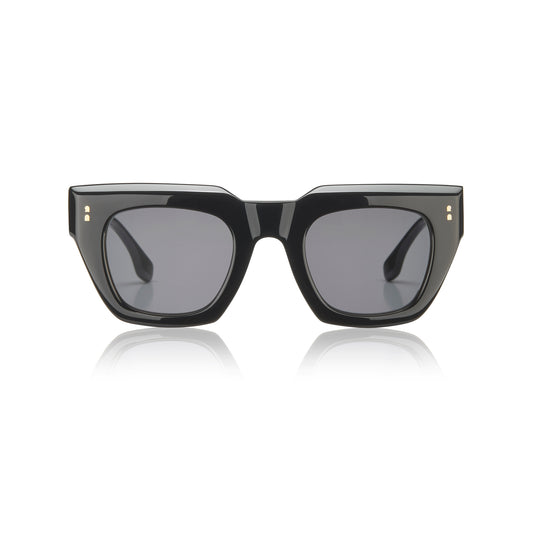
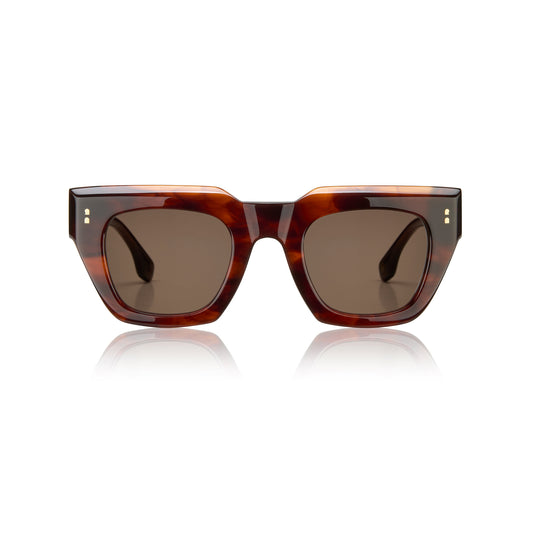
The lorgnette: the handheld glasses invented by an Englishman for looking down on people
Share
There's a gesture most of us have made without knowing it has a name and nearly three hundred years of pedigree: picking something up (glasses, a phone, whatever's to hand) and holding it at arm's length rather than actually putting it on, as though the mere refusal to commit to your own short-sightedness granted you a small moral advantage over the room. That gesture has a direct ancestor, and it happens to be one of the most gloriously snobbish objects in the history of eyewear: the lorgnette, those handled spectacles the European aristocracy spent two centuries raising to their eyes, less to see better than to make it perfectly clear they were deciding whether you were worth looking at.
A French name for a very English invention
Here's the first good irony. The word lorgnette sounds like a Parisian salon, like someone rolling the syllables around with a glass of something cold, judging your outfit from the safe distance of a tortoiseshell handle. And yet the object was invented around 1770 by an English optician and instrument-maker named George Adams, about as French as a wet Tuesday in Norfolk. Adams built lenses mounted on a folding handle, originally meant for occasional reading, and European high society decided this was precisely what it had been waiting for all along: a way to use glasses without the vulgarity of actually wearing them. Because admitting you needed help to see was, by a peculiar aristocratic logic, a form of weakness, whereas holding the thing in your hand turned poor eyesight into a choice, almost a whim. The French claimed the idea so thoroughly that nobody remembers the Englishman behind it, which is, to be fair, exactly the kind of story the French enjoy telling about themselves over a good dinner.
The weapon of the opera box
Through the nineteenth century, the lorgnette became the standard accessory for anywhere there was something, or someone, worth examining with a raised eyebrow from a safe distance. In the opera house, the theatre, the drawing rooms where it was quietly decided who belonged in which circle, the lorgnette worked as a periscope of social class: you lifted it, aimed it, held it in the air just long enough to register that an assessment was underway, and lowered it again with an almost audible click. It wasn't really an optical instrument. It was stagecraft. Nobody raised a lorgnette to watch the performance; they raised it so the rest of the box could see them watching the performance, and, while they were at it, to inspect the dress of the woman in the row in front without the bother of disguising it. Ordinary glasses help you look at the world. The lorgnette helped the world know it was being judged: a rather different function, and for a certain nineteenth-century set, a far more important one.
Looking down your nose, quite literally
What's fascinating about the object is that its physical choreography (the outstretched arm, the handle pinched between two fingers, the chin tipped very slightly back) is exactly the body language of “looking down your nose at someone,” just taken entirely literally. The lorgnette didn't merely enable judgement; it was judgement, engineered into an object. For nearly two centuries, a good portion of aristocratic Europe practised a small daily ritual of optical superiority without saying a word, because the handle, the lift of the wrist and the pause before lowering the glass said all of it for them. It's hard to think of another accessory in the history of fashion that devoted so much craftsmanship, tortoiseshell, gold, enamel, to the specific job of making somebody else feel smaller, and doing it elegantly.
From handle to frame: the democratising of looking
What finished off the lorgnette wasn't a decree or a revolution. It was something far duller and far more human: comfort. By the early twentieth century, frames that simply stayed on your face (what we now call, plainly, glasses) won out because they freed both hands, because nobody wanted to hold something aloft through three acts of opera, and because, deep down, fewer and fewer people were willing to pretend they didn't actually need to see properly. The object designed to separate its owner from the rest of the room, from the plebeians who simply put their glasses on and got on with it, eventually lost to the plebeians. There's something quietly satisfying about that: the most democratic gesture in the whole history of eyewear, putting your glasses on and moving on with your day, no ceremony, no handle, no dramatic pause, was the one that won.
It's a fittingly Mediterranean footnote for a story built almost entirely out of Northern European restraint and English understatement: the fussiest, most status-conscious object in the history of looking was eventually defeated by simplicity. We design in a neighbourhood that has never much needed a tortoiseshell handle to be taken seriously, so we'll take that part of the story and leave the rest. Glasses worn plainly, at eye level, with no distance and no verdict attached. Look down your nose at whoever you like: we'd rather look people in the eye.
RAVAL designs eyewear in El Raval, Barcelona, a neighbourhood that has never quite understood the appeal of looking down on people.