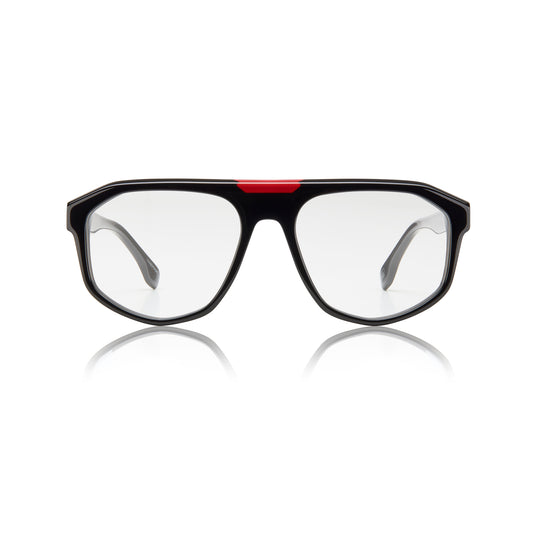
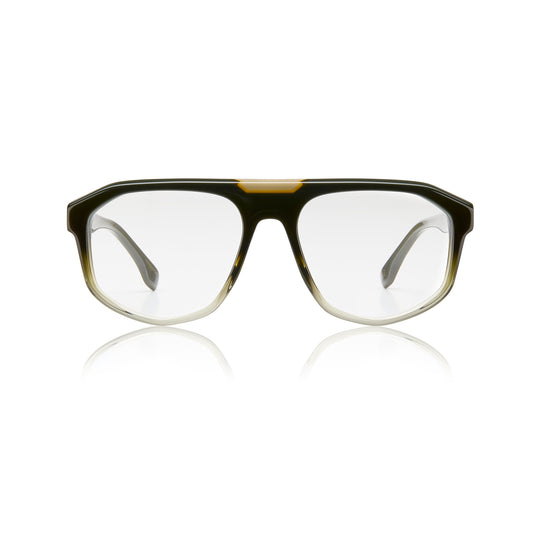
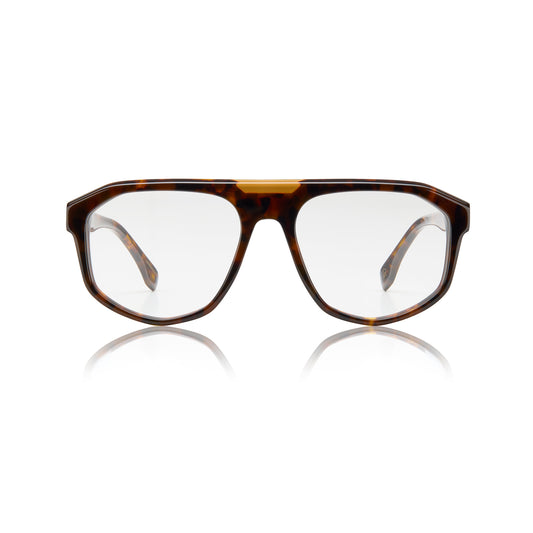
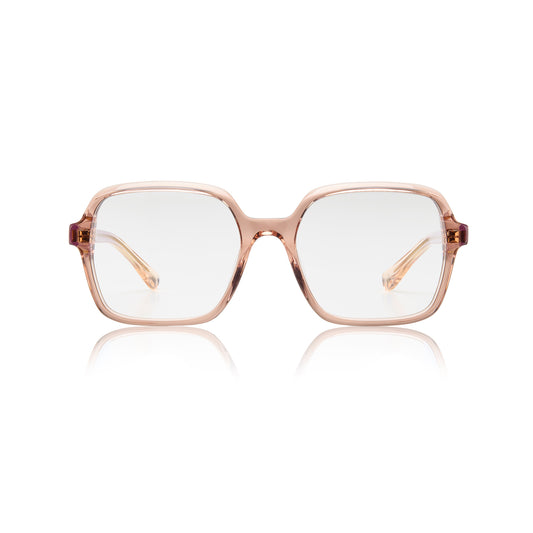
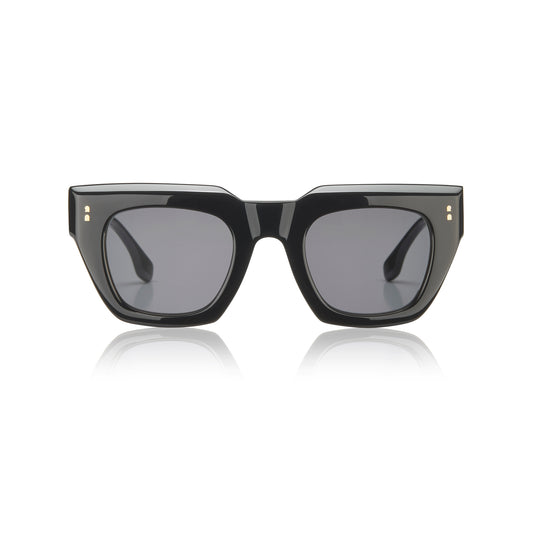
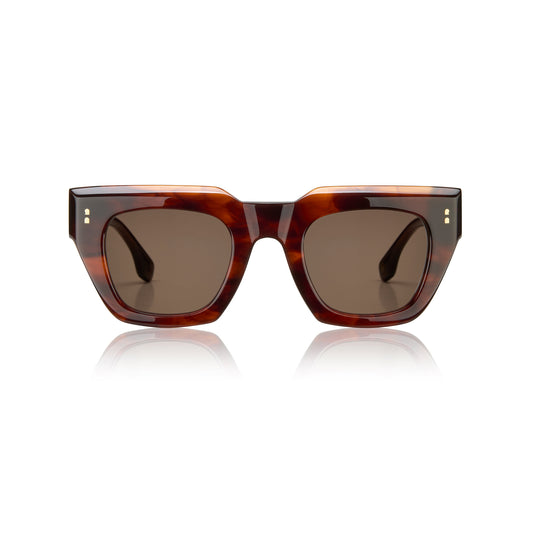
Jackie Onassis hid behind enormous sunglasses and became impossible to miss
Share
Jackie Onassis hid behind enormous sunglasses and became impossible to miss
There's a particular kind of woman you'll spot at any wedding, funeral or school run across the Nordic countries in high summer: she's wearing sunglasses roughly the size of a side plate, indoors if necessary, in weather that has produced no sun of any consequence since April, and nobody asks why. It's understood, the way certain things are simply understood without being said out loud, that the glasses aren't there for the weather at all. They're there so the face underneath doesn't have to perform whatever it's supposed to be performing that morning. Long before that became a familiar bit of social choreography, one considerably more famous woman worked out the same trick under vastly higher stakes, and the shape she settled on is still, more than half a century later, the one everyone reaches for when they want to disappear in the most visible way possible.
Armour, not an accessory
By the late 1960s, Jacqueline Kennedy had become, without ever applying for the role, the most photographed woman on earth: widow of a president assassinated in front of a watching world, mother to two children who grew up with a lens pointed at them on every street corner, and the subject of a level of scrutiny nobody should have to carry while doing something as unremarkable as the school pick-up. Retreating indoors was never a realistic option for someone with that public a life, so she found something smarter: she took the object everybody already wore and simply made it bigger, until it stopped being eyewear and became a wall. The larger the lens, the less of her face remained available for the world to read. It wasn't vanity. It was defensive architecture, dressed as summer style.
From a Nina Ricci square to a bespoke Parisian butterfly
The story has actual names and dates attached, which is what separates a well-told anecdote from something invented after the fact. In the late sixties, the French house Nina Ricci, working with manufacturer L'Amy, produced the vast square frames Jackie wore almost as a uniform. Not long after came the rounded butterfly shape by François Pinton, the silhouette most people would recognise on sight today even without being able to name it. Later in life, once she no longer had to depend on any catalogue at all, she had frames made to measure at Maison Bonnet, the same Parisian workshop that built glasses for her second husband, Aristotle Onassis. Three eras, three makers, one constant idea: the bigger the glass, the smaller the margin you leave the world to have an opinion about your face.
The photographer who got too close, and a judge with a tape measure
This is where the story stops being about style and turns legal, which is the part anyone working in a brand ought to find most interesting. A photographer called Ron Galella spent a significant chunk of his career pursuing Jackie with a persistence we would today call, without much hesitation, harassment: waiting outside her children's school, jumping out in front of young John's bicycle in Central Park, appearing round every corner like a shadow with a telephoto lens. In 1973, a New York court put a literal distance on him — a hundred yards first, then a mandated twenty-five feet, a figure so precise that Galella took to carrying his own tape measure to pace it out. It is, quite possibly, the only case in legal history where one woman's need to breathe without a lens in her face went on to set precedent for where journalism ends and stalking begins.
The thing you hide behind is the thing they remember
And there's the paradox, the same one that turns up whenever someone tries to vanish behind a piece of dark glass: Jackie's attempt to go unnoticed became the single most cited, copied and sold style gesture of the last sixty years. Nobody calls them "late-sixties oversized frames" any more; they're simply "Jackie O sunglasses," her name fused permanently onto the object itself, as though woman and shape had become one and the same. She wanted to stop being recognised and ended up guaranteeing she never would be forgotten. It's a neat inversion of the quiet, pared-back logic much of Northern Europe applies to getting dressed — where discretion usually means going smaller, subtler, greyer. Jackie proved the opposite also works: sometimes the most private thing you can do is go enormous, and let the size do the hiding your restraint never could.
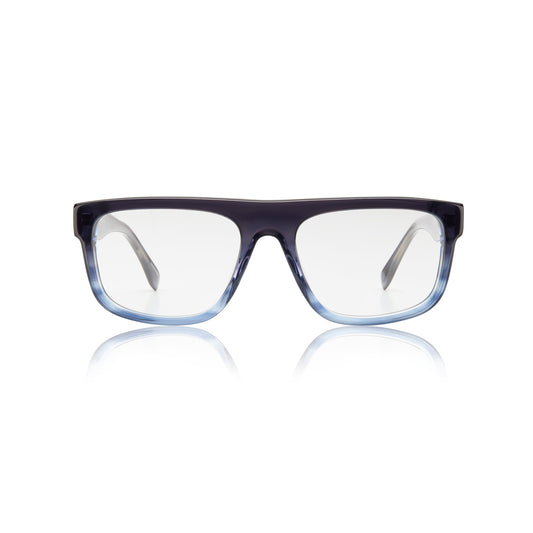
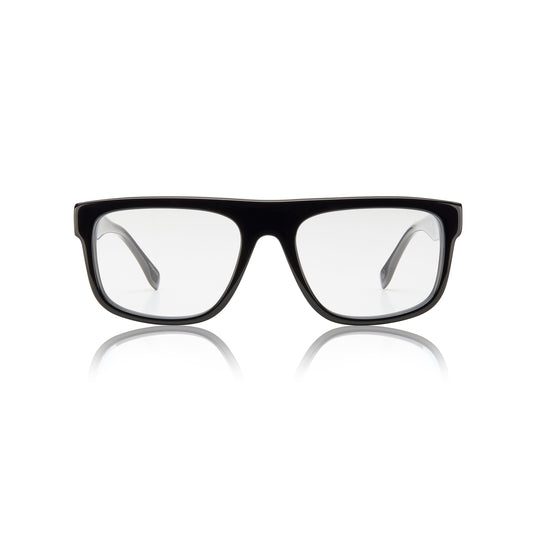
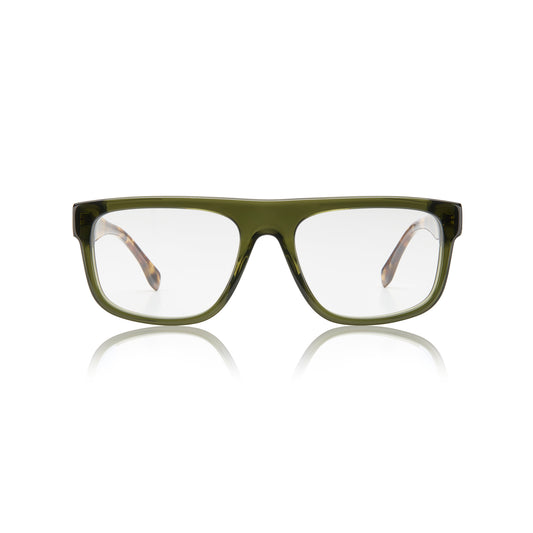
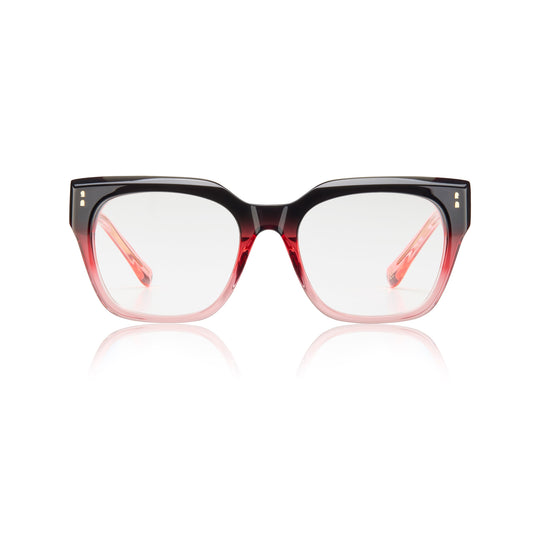
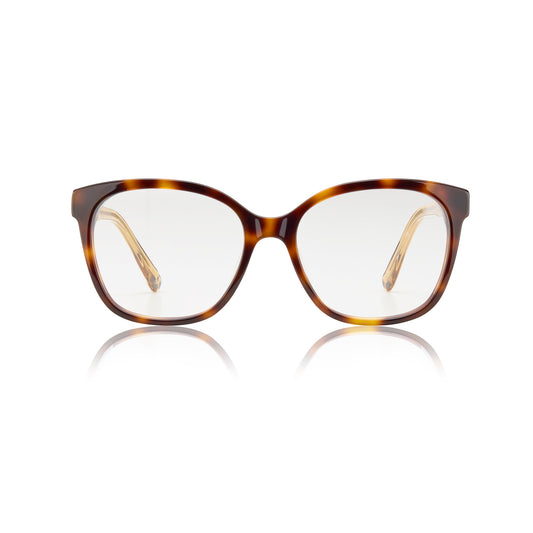
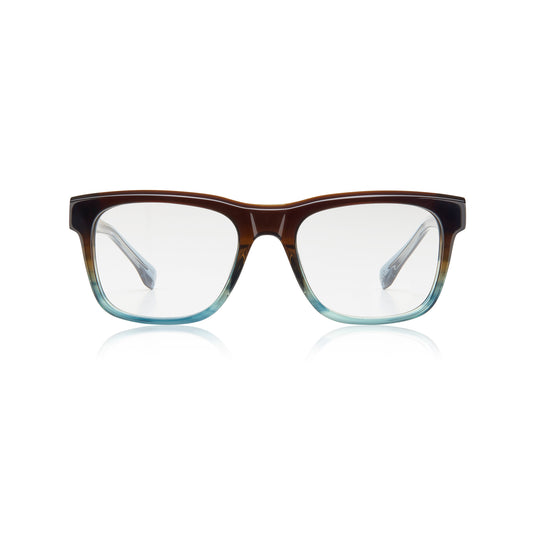
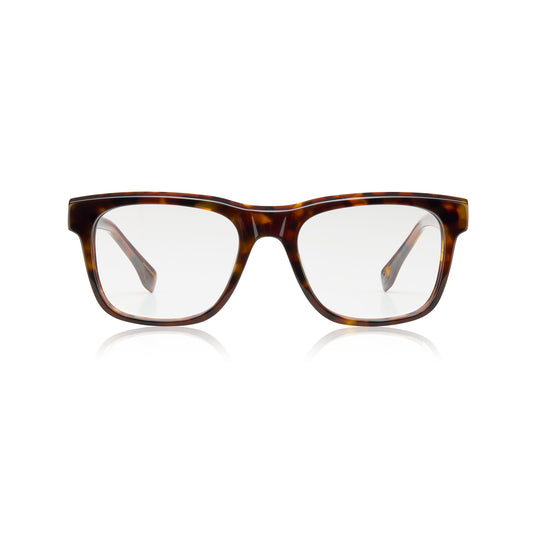
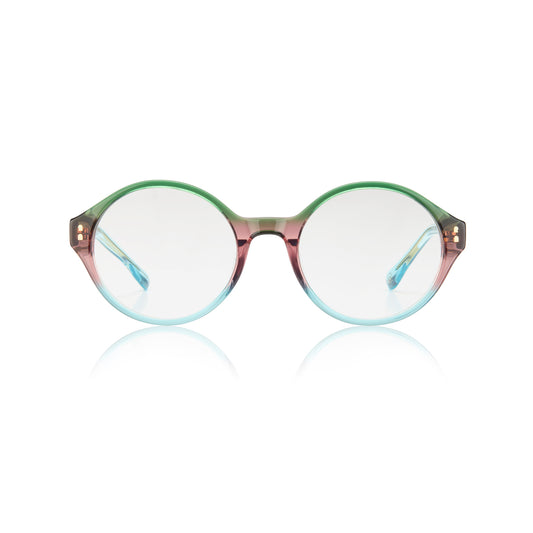
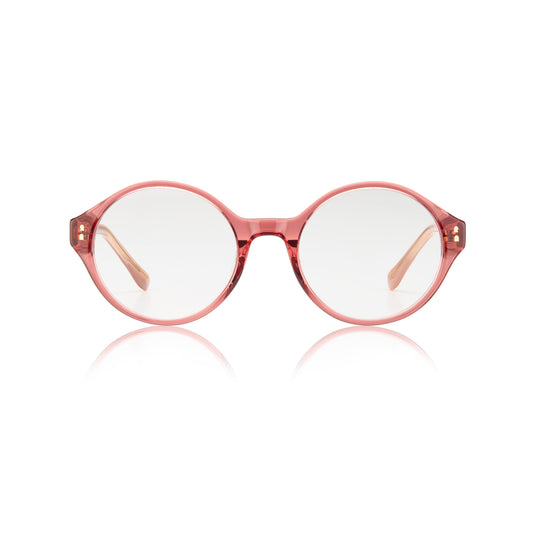
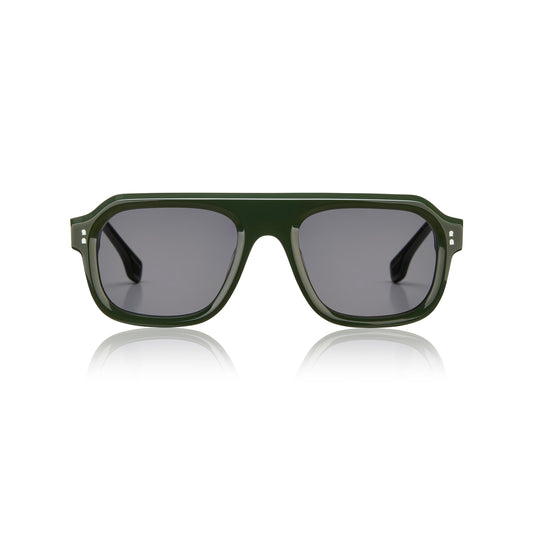
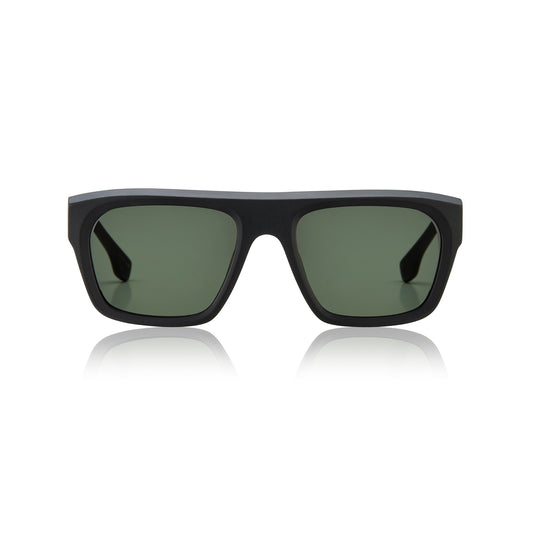
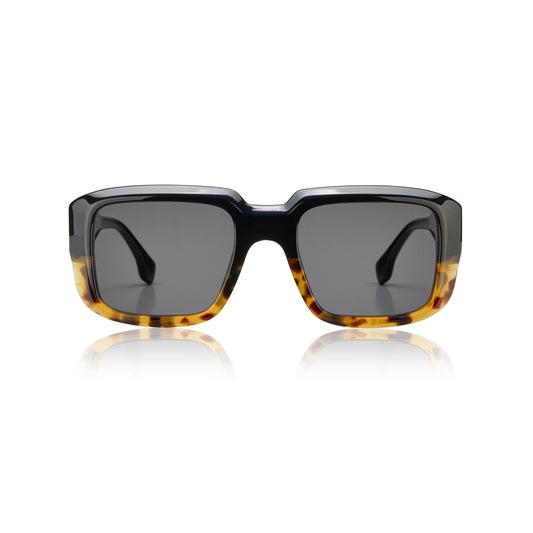
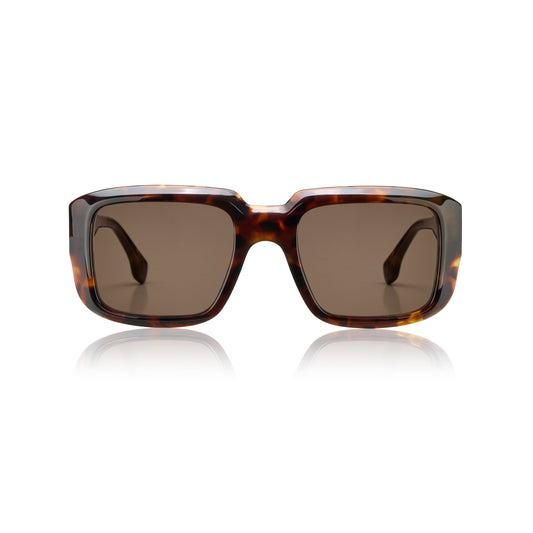
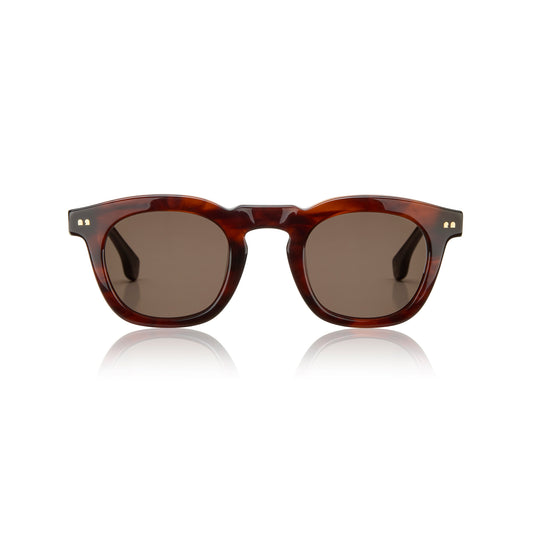
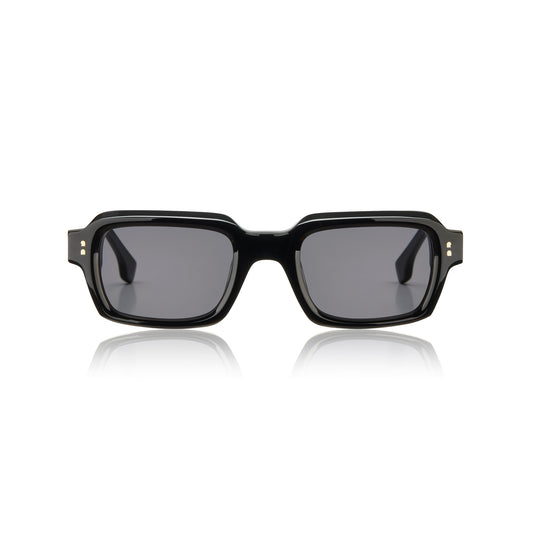
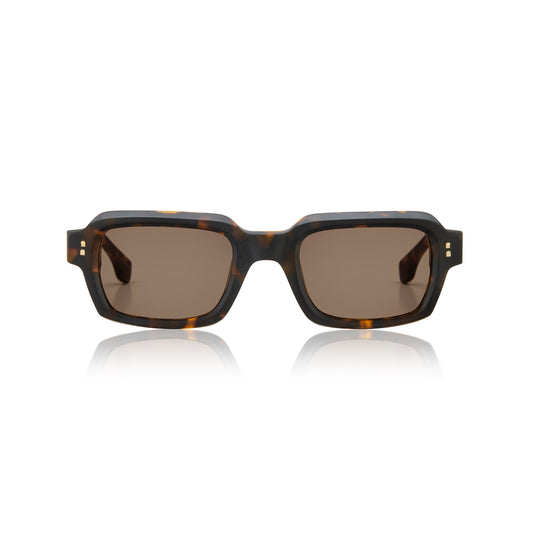
At RAVAL we understand that instinct better than we'd probably like to admit: sometimes the most discreet frame is the biggest one in the room, the one that decides, on your behalf, exactly how much face the world gets today.
RAVAL designs eyewear in Barcelona, on the theory that hiding well is sometimes the most elegant way of being seen.