Coloured lenses: why everyone is suddenly seeing in amber, cherry and blue
Share
Coloured lenses: why everyone is suddenly seeing in amber, cherry and blue
There was a time, not so long ago, when a pair of sunglasses that wasn't black counted as an act of bravery bordering on the reckless — something permitted only to DJs, certain architects, and people who return from Ibiza with a confidence the rest of us quietly envy. The dark lens was the norm, the optical equivalent of the black suit: elegant, safe, impossible to criticise and, for exactly that reason, a little dull. And then, almost without warning, came the summer when half the continent started looking at everything through amber, cherry or blue, and discovered that colour wasn't a festival eccentricity but a different — and fairly addictive — way of relating to light.
Colour isn't a whim. It's a decision about how you want to see
What's interesting about coloured lenses is that, beneath the fashion, there's a real optical truth. A lens isn't just a screen that darkens: it's a filter that decides which parts of the light get through and which don't, and each tint literally changes how you perceive the world. Amber and yellow lift contrast and make everything look sharper and warmer, as if someone had nudged up the afternoon's saturation. Grey and green respect real colours and lower the intensity without tinting anything — the purist's filter. Blue and mirrored tones play a different game: they're the least practical and the most photogenic, the ones that exist mainly so people look at you before you look at anything. Choosing your lens colour isn't choosing an accessory. It's deciding the temperature at which you want to see the summer.
A quick guide by where you'll actually wear them
Like every decision that seems trivial but isn't, it's worth a moment's thought. For the city, where light bounces off glass and asphalt and everything is a touch harsher than we admit, amber and brown soften without dimming and suit almost everyone. For the beach and water, where reflection is the enemy, green and grey do the better job of lowering intensity without lying to you about real colours. For driving, yellow and amber help with contrast, especially on overcast days, though they're best not too dark. And for those occasions when the sunglasses are, let's be honest, part of the look rather than the equipment, blue, pink and mirrored exist for precisely that: so the frame speaks before you do. There's no right answer. There's a your answer.
Why this summer and not another
That coloured lenses have gone from niche to dominant in 2026 is no accident. It's part of a wider shift in which people have stopped buying neutral objects that commit to nothing and started wanting things that say something. For years, luxury meant discretion: the small logo, the safe colour, the elegance of not drawing attention. Now the pendulum has swung back, and a cherry lens at the end of the afternoon communicates more about who you are than any expensive, silent garment. Colour is declarative. It's the difference between going unnoticed and consciously choosing not to. The North built whole philosophies around restraint; this is the season to borrow a little Mediterranean nerve.
Our coloured collection
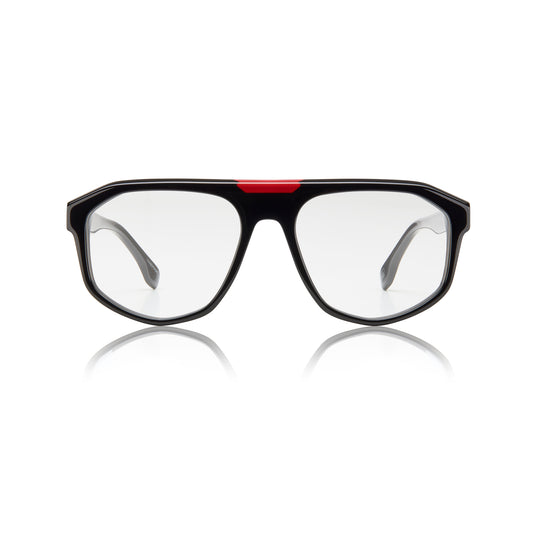
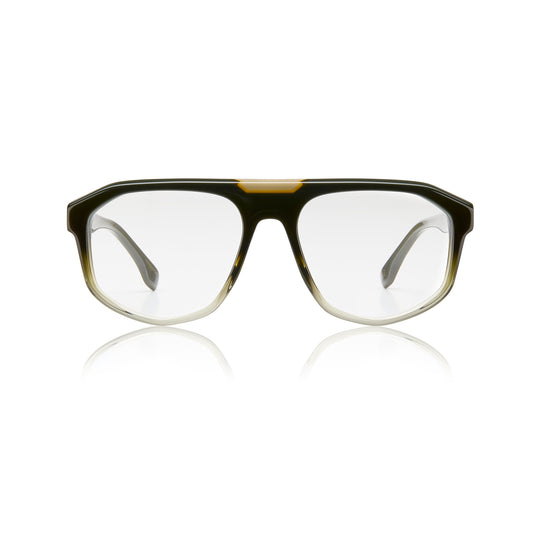
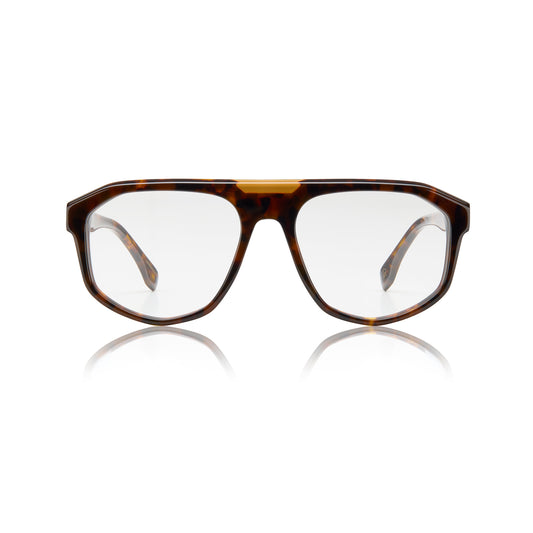
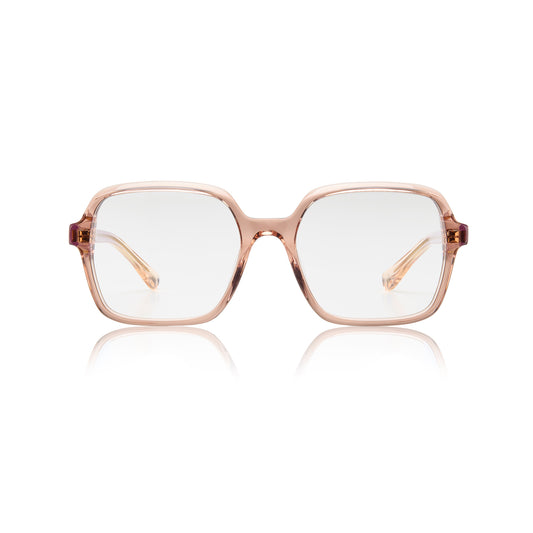
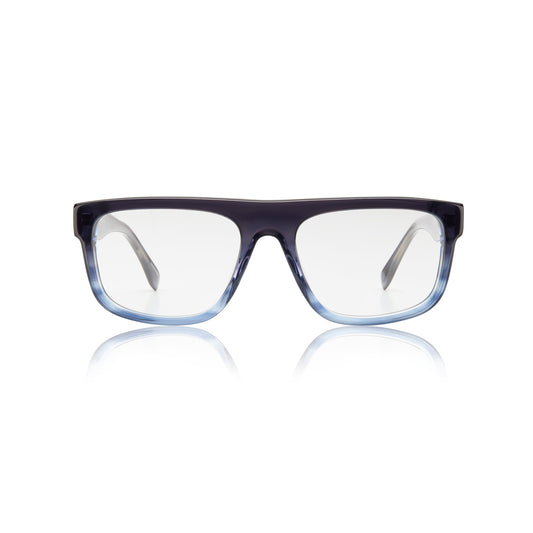
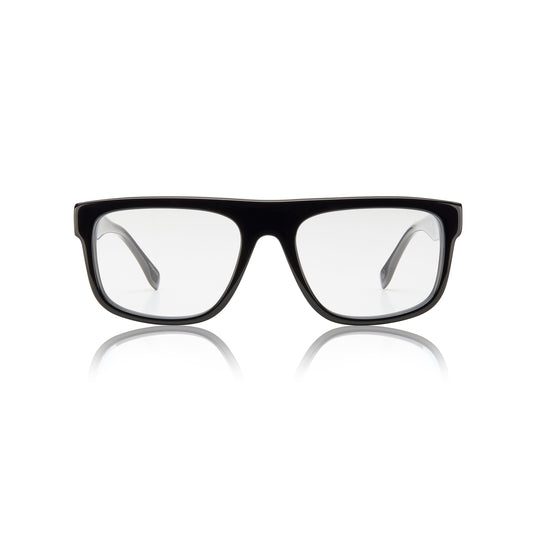
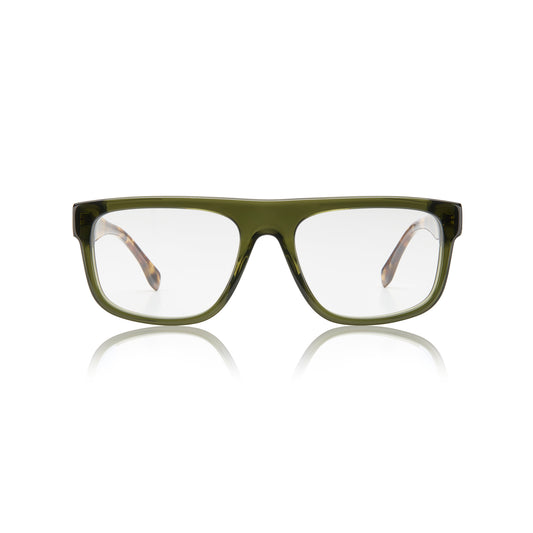
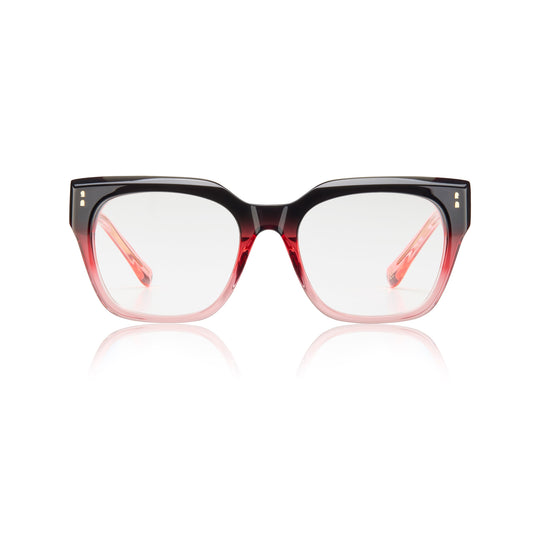
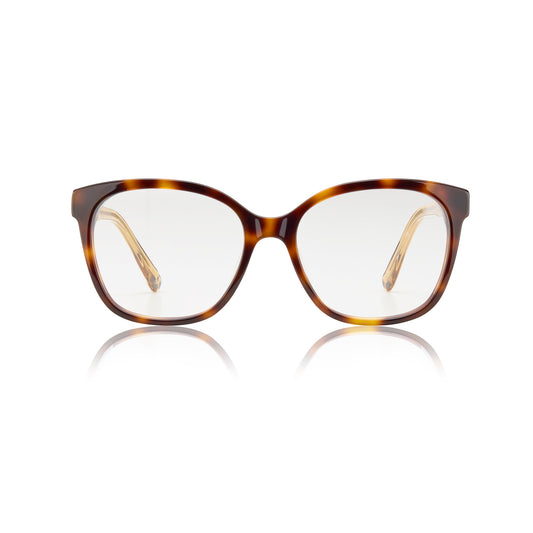
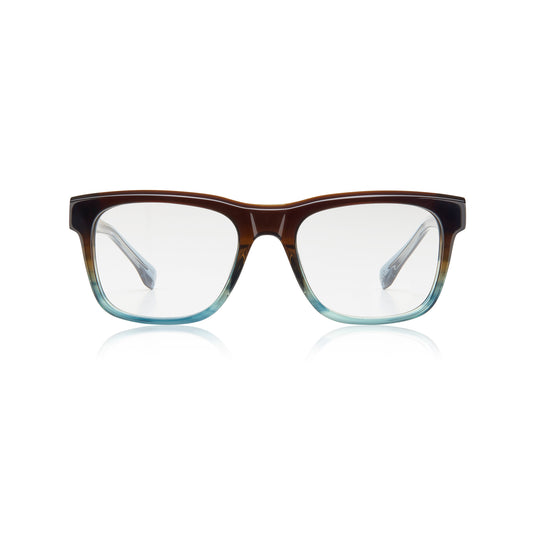
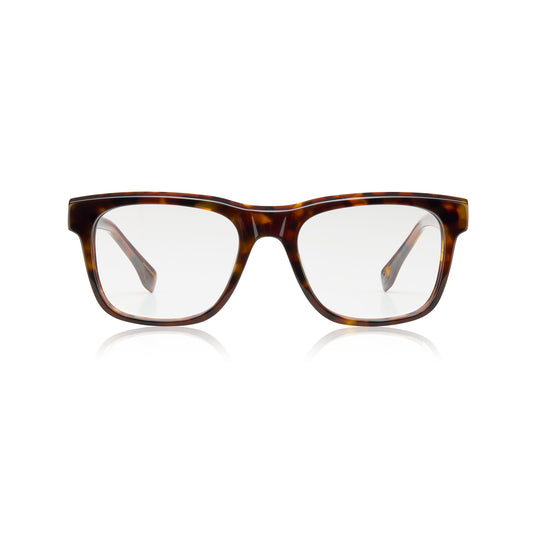
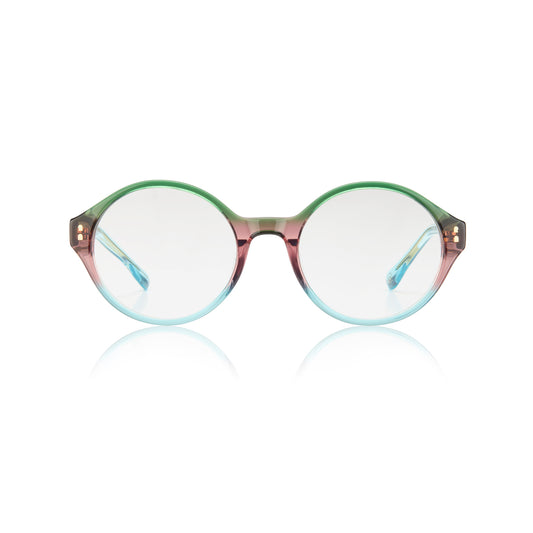
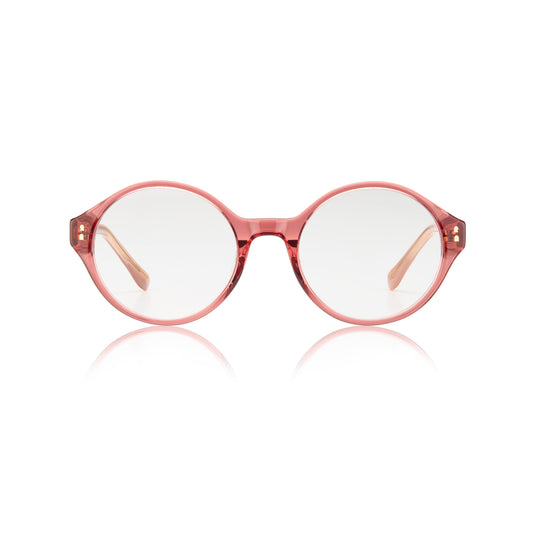
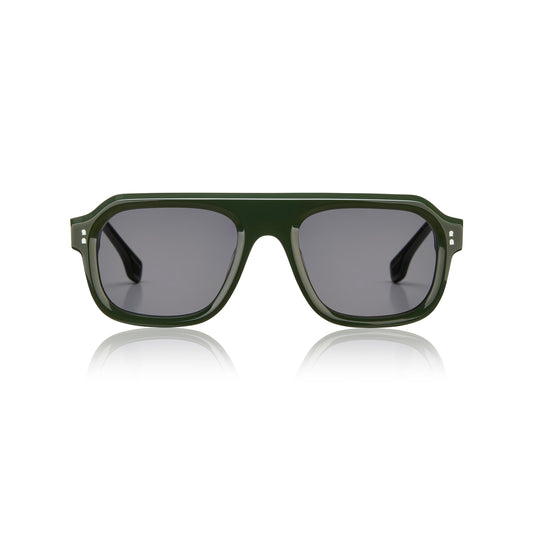
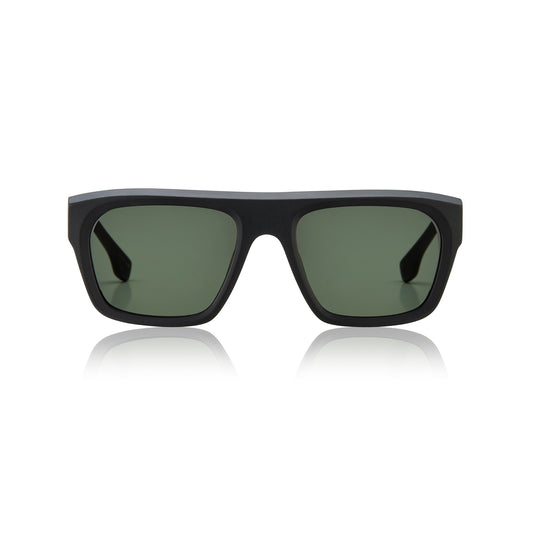
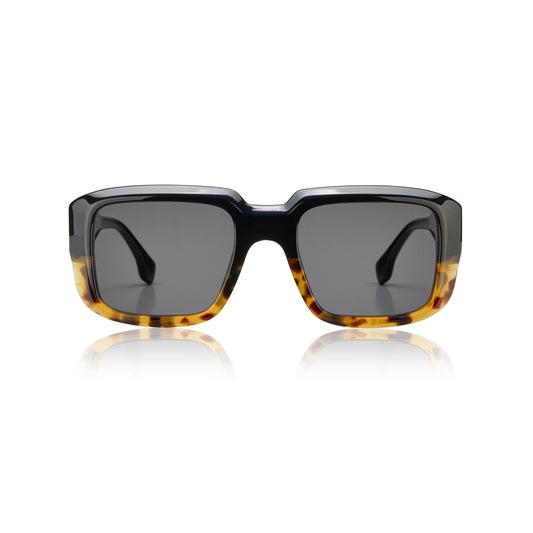
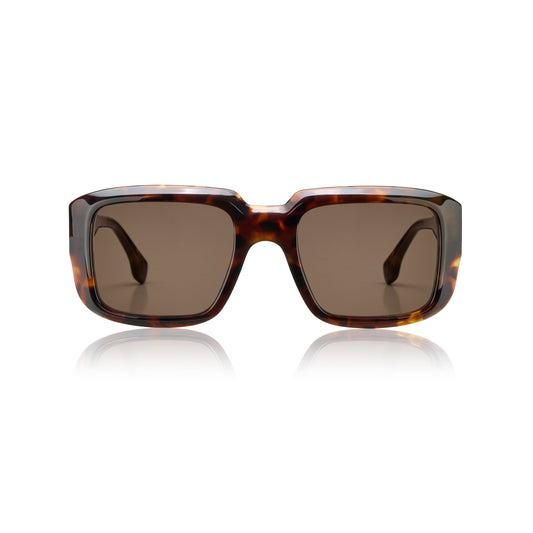
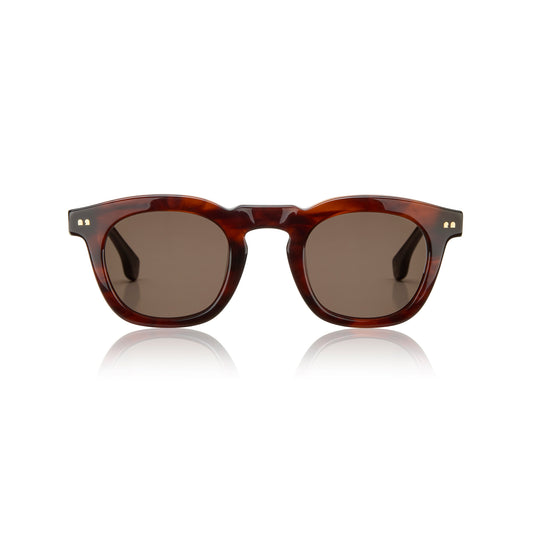
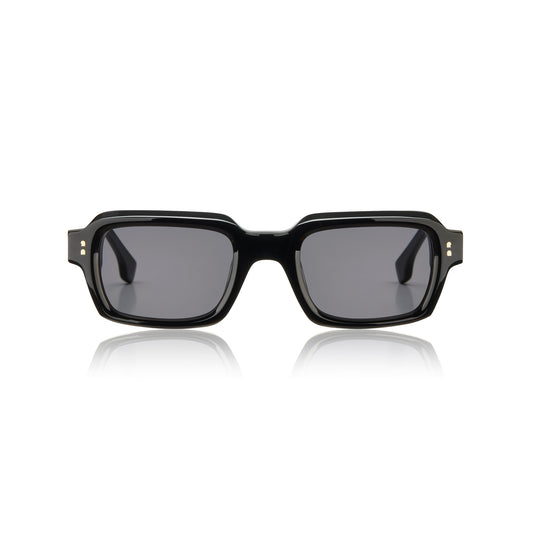
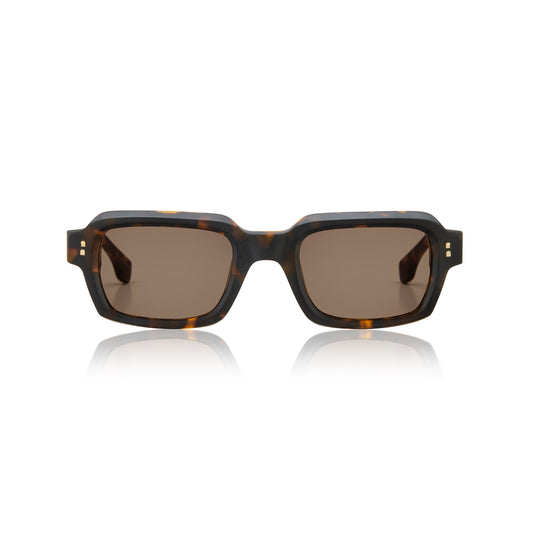
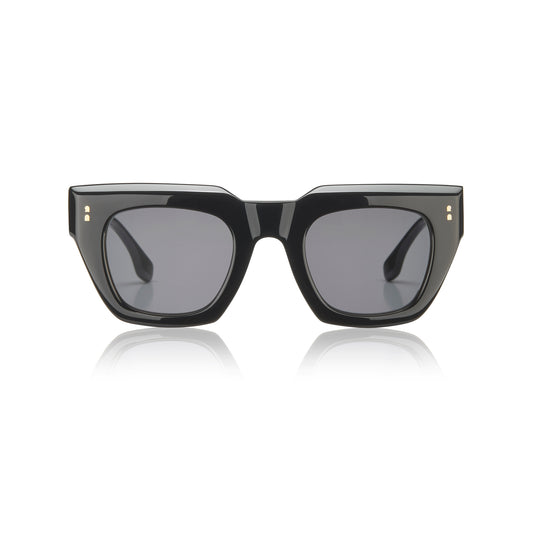
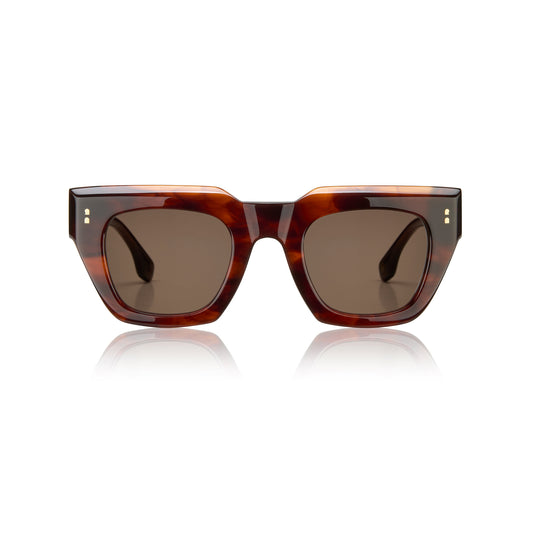
At RAVAL we'd wanted to do this properly for a while, because a badly resolved coloured lens is just an Instagram filter with temples, and a well-resolved one is an object that changes how a whole day feels. Our coloured-lens collection plays with the season's tones — warm amber, decadent cherry, the blue that asks no one's permission — set on the same shapes as always, designed in Barcelona, made for people who understand that looking is also a way of being in the world. If you've been circling the idea of stepping out of black for a while, this is the summer. And this, modestly, is the place.
RAVAL's coloured lenses are designed in Barcelona. Choose your tint and see the summer your way.